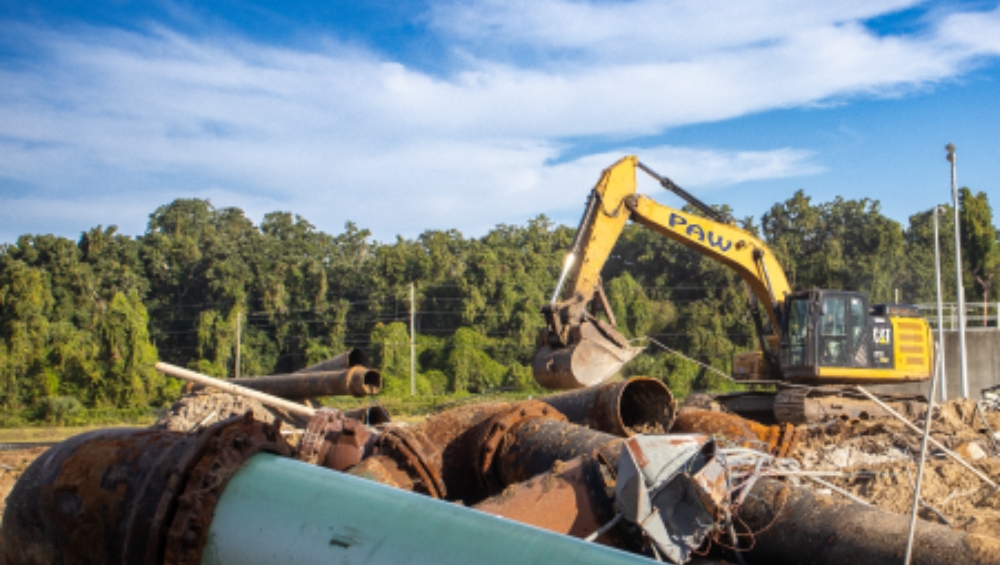
Industrial demolition can produce large volumes of waste, disrupt communities, and strain local ecosystems — unless managed responsibly. For companies operating in Port Richey, FL and surrounding areas, partnering with an industrial demolition contractor committed to sustainability and safety makes a significant difference. This article explores how “green demolition” works in the real world: from waste recycling to emissions reduction, regulatory compliance, and community-aware procedures.
Recycling and Waste Management in Industrial Demolition
Smart Sorting, Salvage & Reuse
A truly eco‑friendly industrial demolition begins with sorting. Skilled contractors separate materials on-site so wood, metal, masonry, concrete, and other debris are recovered instead of being dumped indiscriminately. For example:
-
Concrete and masonry may be crushed and reused as aggregate or road base.
-
Metals — steel, copper, aluminum — go to recycling centers rather than fill up landfill space.
-
Salvaged wood and other reusable materials may be reused or repurposed.
-
Hazardous or contaminated materials are isolated and disposed of according to environmental and safety standards.
By doing this, demolition becomes resource recovery rather than simple destruction. Recycling and reuse help conserve natural resources, reduce pollution, and divert huge amounts of waste from landfills. The U.S. Environmental Protection Agency (EPA) estimates that in 2018 the country generated around 600 million tons of construction and demolition (C&D) debris — more than twice the amount of municipal solid waste (MSW) — highlighting both the scale of the issue and the importance of responsible handling.
Did you know?
-
Recycling and reusing C&D materials can cut down landfill waste significantly and reduce demand for virgin raw materials.
-
Many experts estimate that a large portion of C&D waste — including metal, concrete, wood — has viable reuse value when properly sorted and processed.
When you work with PAW Demolition, you get a waste‑management plan that prioritizes recycling and reuse whenever possible — which reduces disposal fees, relieves pressure on landfills, and supports circular economy ideals.
Green Technologies & Emissions Reduction in Demolition
Cleaner Equipment and Improved Workflows
Industrial demolition doesn’t have to rely on loud, polluting wreckers and uncontrolled dust. Eco‑conscious firms increasingly deploy:
-
Electric or hybrid heavy machinery that reduces fuel use and greenhouse gas emissions.
-
Dust‑suppression systems — water misting, dust‑control attachments — to limit airborne particulates and protect surrounding air quality.
-
Noise‑reduction tools and carefully scheduled work to minimize impact on nearby communities.
-
Smart planning and efficient sequencing to reduce machine idle time, further cutting fuel consumption and emissions.
These practices make large‑scale demolition more environmentally friendly, reducing air and noise pollution while preserving reclaimed materials and minimizing collateral damage.
Why it matters
Heavy industrial sites often contain large masses of concrete, steel, and masonry — materials that, when demolished carelessly, produce massive dust clouds and heavy loads of debris. Using controlled, precise demolition techniques preserves salvageable materials, reduces waste, and protects local neighborhoods from dust and noise. In short, green demolition methods transform what used to be a resource‑intensive, wasteful process into one that respects the environment and community.
Benefits of Sustainable Industrial Demolition Services
(~ 240 words)
Regulatory Compliance & Lower Risk
A professional demolition contractor with sustainable practices ensures proper handling and disposal of hazardous materials, accurate waste documentation, and compliance with local, state, and federal regulations. This reduces the risk of fines or environmental liability and protects your business’s reputation.
Community Relations & Positive Brand Impact
Minimizing dust, noise, and pollution — while responsibly managing waste — reduces disruption for surrounding residents or businesses. Employing green demolition fosters goodwill and strengthens community and stakeholder relationships. For clients focused on sustainability and corporate responsibility, it’s also a strong differentiator.
Cost Efficiency & Resource Savings
By recycling materials and diverting waste from landfills, demolition projects can lower disposal fees, reduce raw material costs for new construction, and even recover value from salvaged materials. Over time, this approach often pays for itself, especially for large industrial projects.
Environmental Stewardship & Long-Term Value
Reusing and recycling materials reduces demand for virgin resources, lowers greenhouse‑gas emissions associated with the production of new materials, and extends the useful life of existing materials. In a world increasingly committed to circular economy principles, sustainable demolition contributes to long-term ecological balance and resource conservation.
If you’re planning a large-scale demolition project in Port Richey, Clearwater, or anywhere in Pasco County, teaming up with PAW Demolition’s industrial‑demolition team ensures you get an efficient, responsible solution aligned with modern environmental standards.
Safety, Hazard Handling & Compliance Standards
Protecting People, Soil, and Water
Effective green demolition isn’t just about recycling and machinery — it also depends on strict safety and environmental standards. Key practices include:
-
Conducting thorough site assessments before work begins.
-
Requiring personal protective equipment (PPE) for all workers.
-
Identifying hazardous materials (asbestos, lead, treated wood, chemical residues) and managing them under strict containment and disposal protocols.
-
Disposing of hazardous waste at approved facilities prevents soil, water, and air contamination.
These precautions safeguard workers, nearby residents, and the environment. For industrial demolition projects, especially — which often involve older structures built with heavy or treated materials, rigorous standards are essential to prevent long-term consequences.
Why high standards matter on industrial sites
Because industrial buildings tend to be large, heavy, and sometimes outdated, careless demolition can lead to serious environmental hazards. By demanding compliance and proper protocols from your contractor, you avoid risks, protect communities, and ensure demolition doesn’t result in pollution or liability. Working with a contractor like PAW Demolition ensures these standards are met consistently.
Custom Demolition Solutions for Industrial Projects
Tailored for Site Complexity
No two industrial sites are the same. Size, materials, age, and layout — all vary significantly. That’s why a flexible, tailored demolition plan is critical. Features of a custom plan may include:
-
Selective dismantling to salvage useful machinery or structural elements.
-
Controlled demolition techniques using hydraulic excavators and specialized tools for precision and safety.
-
Waste‑management strategies designed to the project’s specific material mix and environmental impact potential.
-
Emissions control, dust suppression, and traffic/noise planning if the site is near residential or commercial zones.
With a customized approach, demolition becomes methodical, efficient, and environmentally conscious — not just a blunt teardown. For any complex industrial project, quality matters more than speed.
Local Regulations & Permitting in Port Richey / Pasco County
Industrial demolition in Port Richey and Pasco County must comply with a set of state and local regulations concerning waste disposal, hazardous materials, and environmental protection. Hiring a contractor like PAW Demolition ensures:
-
Proper permits and notifications are secured before work begins.
-
Waste disposal and recycling are documented and in compliance with regulations.
-
Hazardous materials are handled and disposed of legally.
-
Environmental safeguards and site‑specific compliance (soil protection, water runoff, dust control) are in place.
This disciplined approach protects your project from legal risk, avoids fines, and ensures your demolition is both safe and responsible — not just efficient.
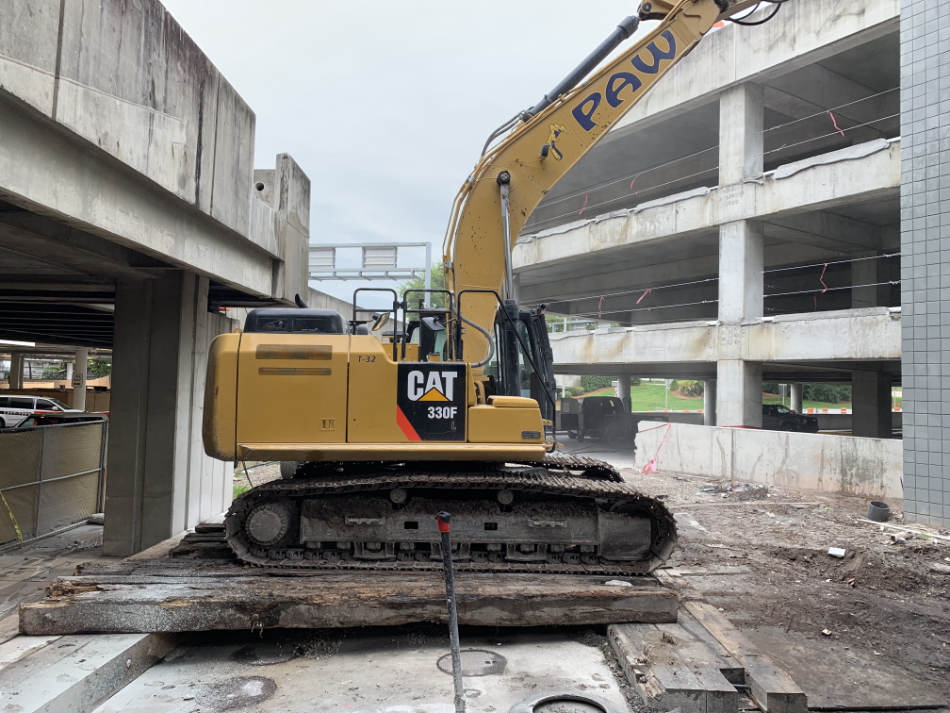
Safe, efficient teardown services backed by 30+ years of local experience.
FAQ — Frequently Asked Questions About Sustainable Industrial Demolition
What types of materials from industrial demolition can be recycled?
Common recyclable materials include concrete, masonry, structural steel, copper, aluminum, wood, and certain non‑hazardous building components. Proper on-site sorting maximizes salvage and reuse potential.
How does recycling demolition waste benefit the environment?
Recycling reduces landfill use, lowers demand for raw materials, and prevents pollution. It conserves resources and reduces greenhouse gas emissions associated with producing new materials.
Is eco‑friendly demolition more expensive than traditional methods?
Upfront costs can be higher, especially for sorting, safe hazardous‑material handling, or specialized equipment. However, recycling, waste diversion savings, and reduced disposal fees often make sustainable demolition more cost‑effective long-term. Many projects report lower net costs when factoring in material reuse.
How long does an industrial demolition project typically take?
Timelines vary significantly depending on the size, complexity of the structure, any hazardous‑material remediation, and salvage/recycling goals. Some smaller industrial buildings may take a few weeks; complex facilities may require months.
How can I verify a demolition company’s green credentials?
Ask for documentation showing: their recycling/diversion rates, methods for hazardous‑material handling, equipment used (e.g. low‑emission or dust‑control machinery), and compliance with local/state/federal environmental regulations. Transparency and past project references are good indicators of legitimacy.
Conclusion
Industrial demolition does not have to come at the environment’s expense. With the right partner — one committed to sorting and recycling materials, using cleaner equipment, managing hazards responsibly, and following all regulations — you can clear space for new development while protecting communities and local ecosystems.
If you’re planning an industrial teardown in Port Richey, Pasco County, or nearby areas, consider working with PAW Demolition’s industrial demolition team. Their approach blends efficiency, compliance, and sustainability, giving you a thorough, responsible solution. Contact PAW Demolition today to explore how green demolition can meet your project needs.