
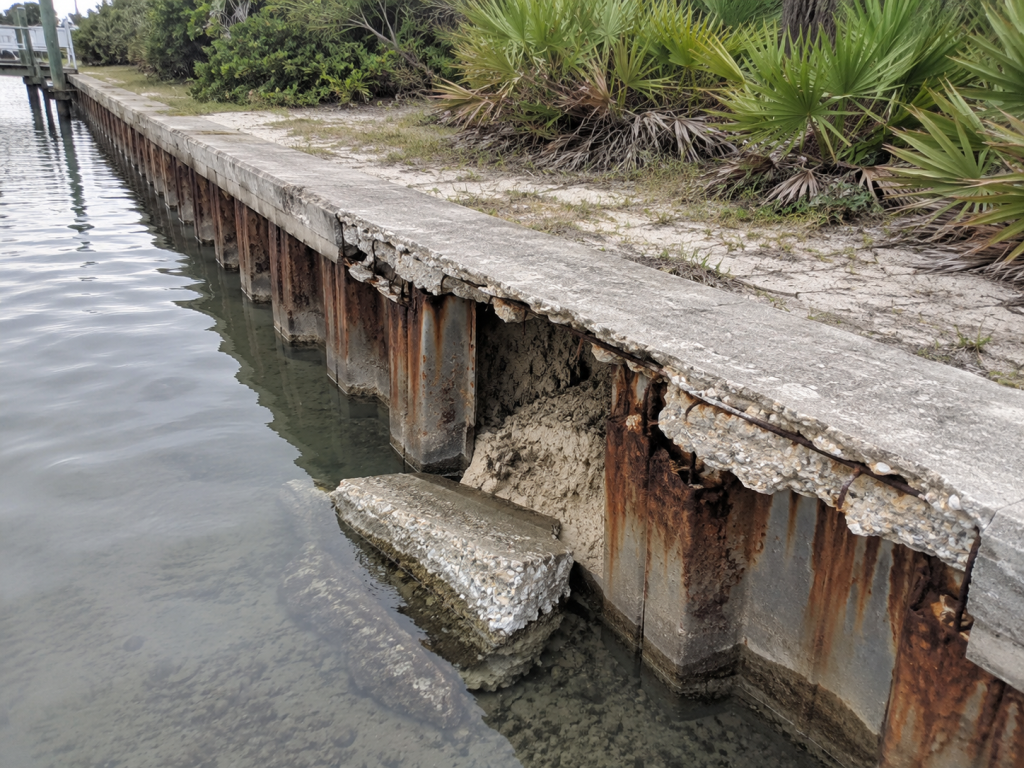
Seawall and Waterfront Structure Demolition: How Florida Contractors Approach It
Quick Answer: Seawall and waterfront structure demolition in Florida involves removing concrete caps, extracting steel sheet piles, clearing vegetation, and stabilizing the shoreline with backfill or rip-rap. The
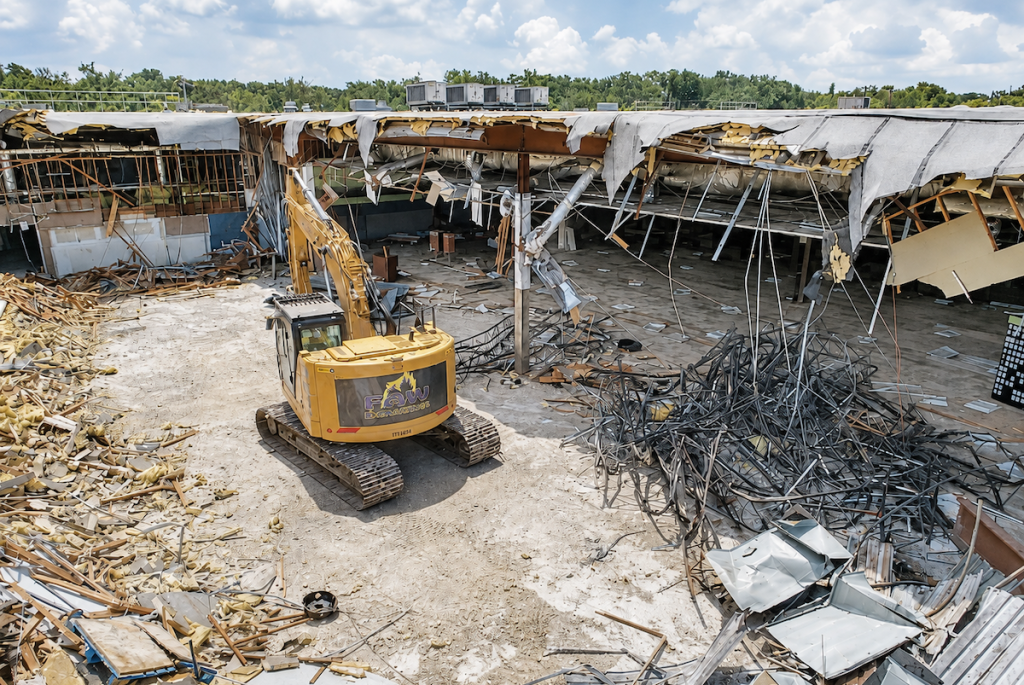
What Does a Full-Scope Industrial Demolition Project Cost? Scope, Variables, and What to Budget
Quick Answer: When evaluating industrial demolition cost in Florida, budget between $6 and $15 per square foot for a full-scope project based on industry estimating benchmarks and PAW
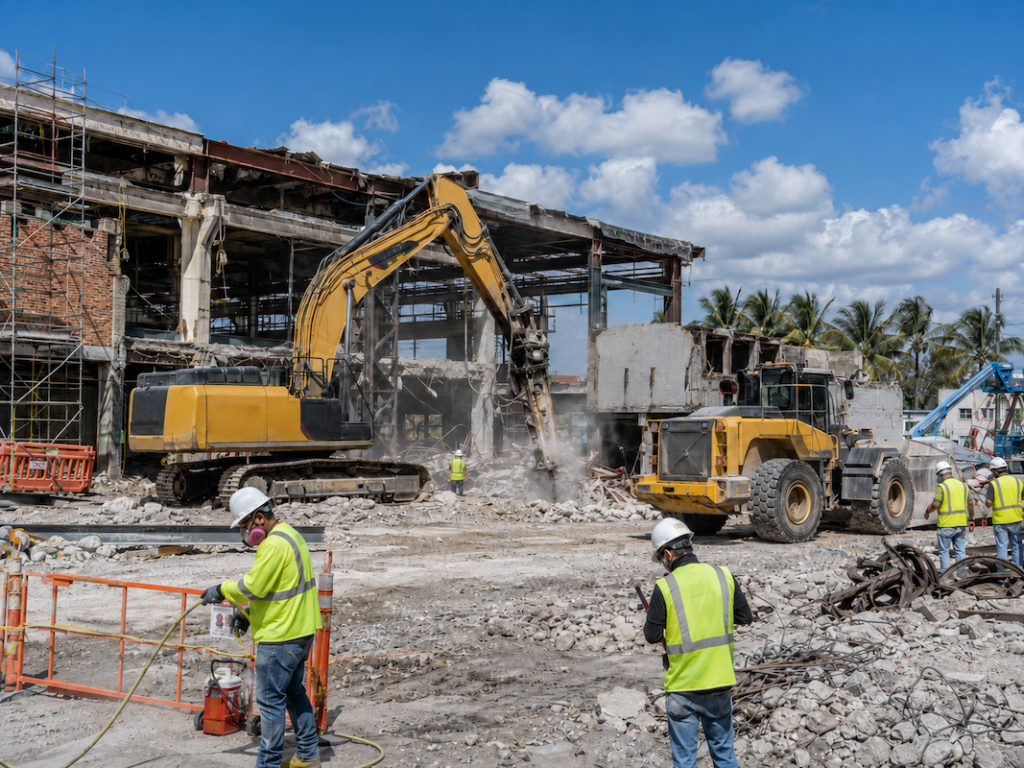
Environmental Compliance in Commercial Demolition: Asbestos, Lead, and Florida Regulations
Quick Answer: Commercial demolition in Florida requires a pre-demolition hazardous materials survey, FDEP notification at least 10 working days before work begins, asbestos abatement by a licensed contractor
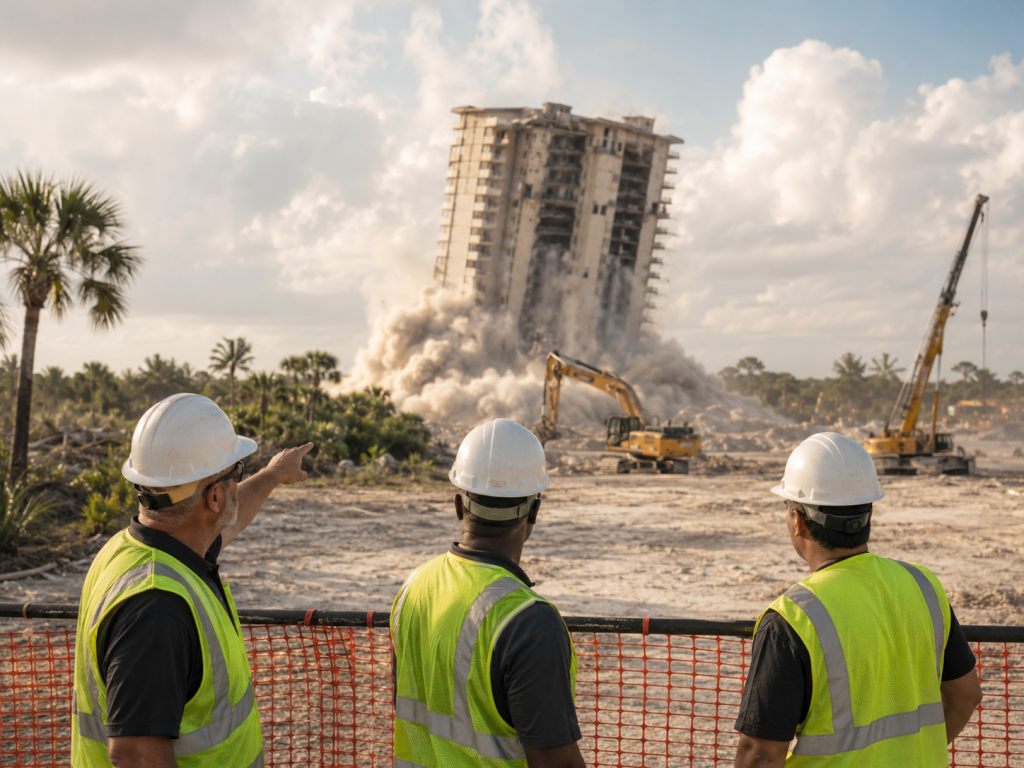
Implosion vs. Mechanical Demolition: How Contractors Choose the Right Method
Quick Answer: Mechanical demolition is the standard method for most commercial and industrial projects, using excavators and specialized attachments to bring structures down with precision. Building implosion is
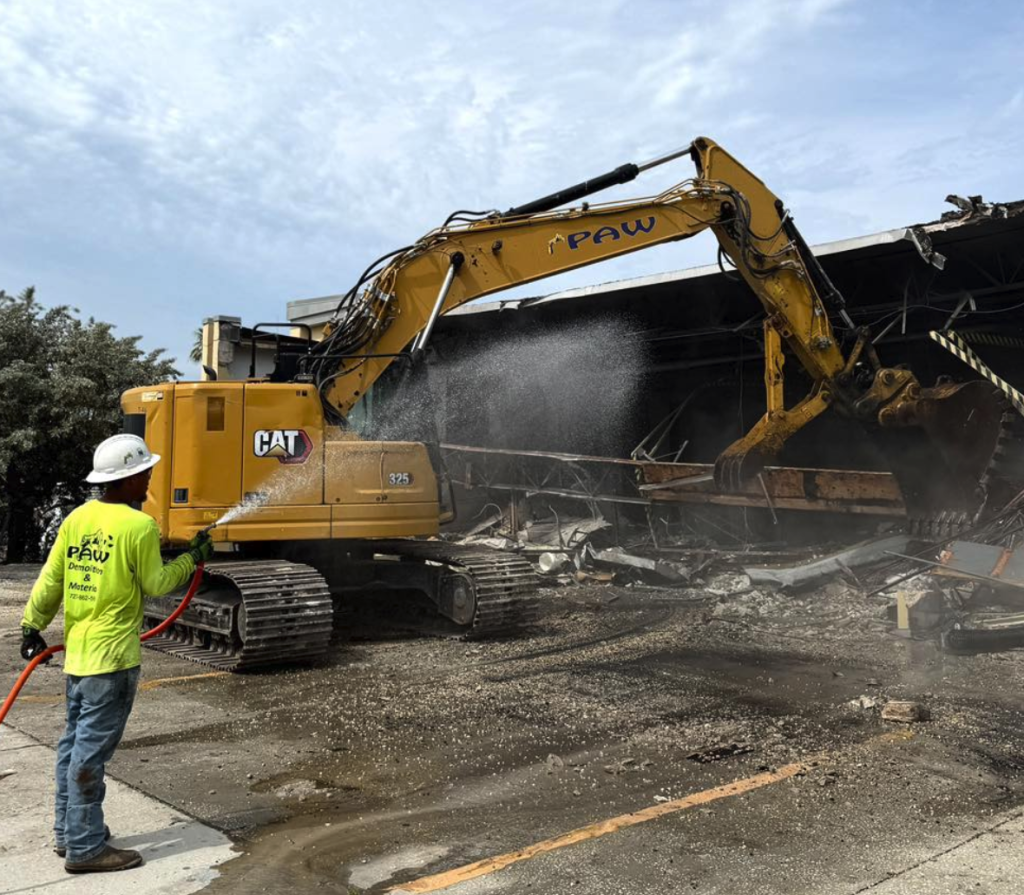
What Is a MOD Rate and Why Does It Matter When Hiring a Demolition Contractor?
Quick Answer: A MOD rate (also called an Experience Modification Rate or EMR) is a numerical multiplier that reflects a contractor’s workers’ compensation claims history compared to the
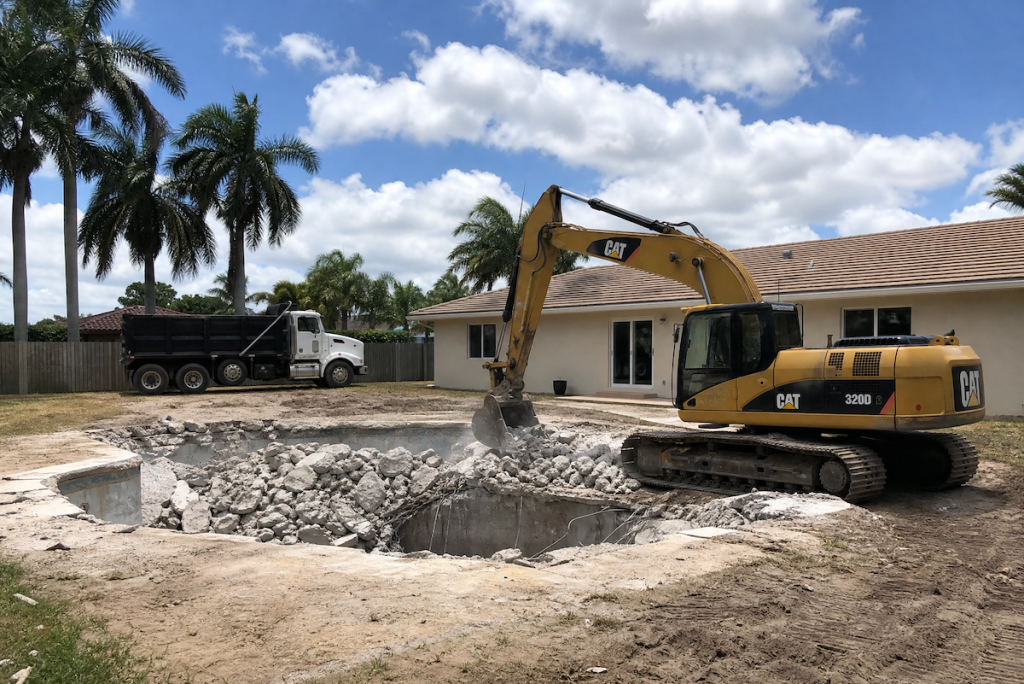
Pool Removal Cost in Florida: What to Expect
Quick Answer: Pool removal cost in Florida runs $3,000 to $10,000 for a partial fill-in and $8,000 to $16,000 for full removal, with material, size, and site access
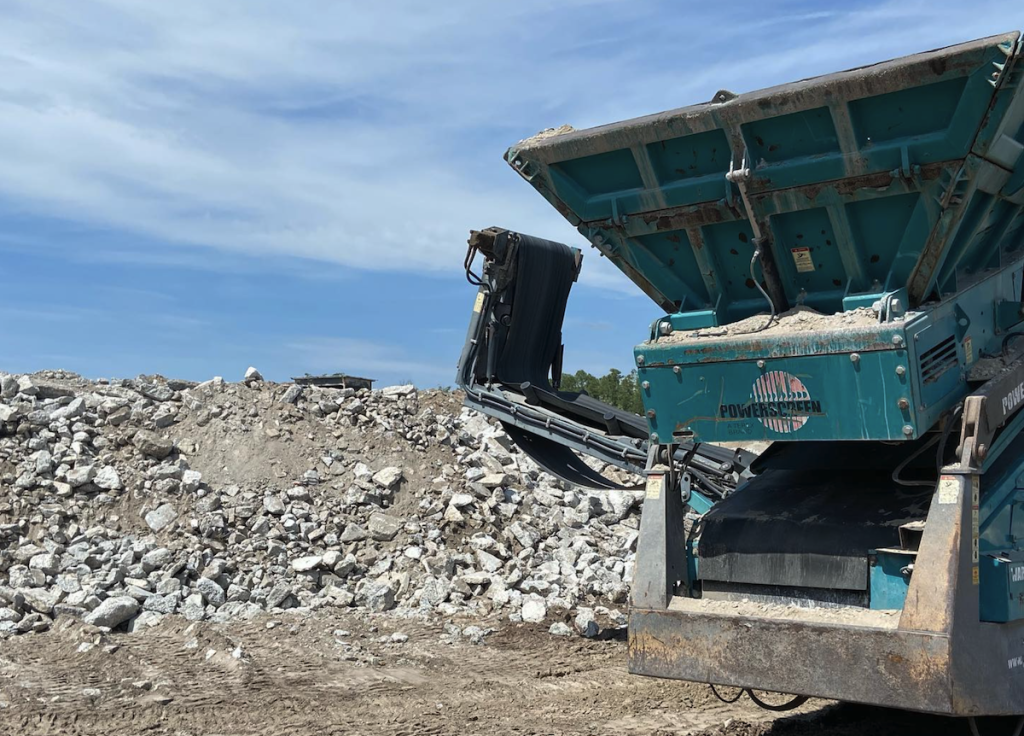
Concrete Removal and Recycling During Commercial Demolition: How It Works
When a commercial building comes down in Florida, the concrete does not have to go to a landfill. On most PAW Demolition projects, it goes right back into
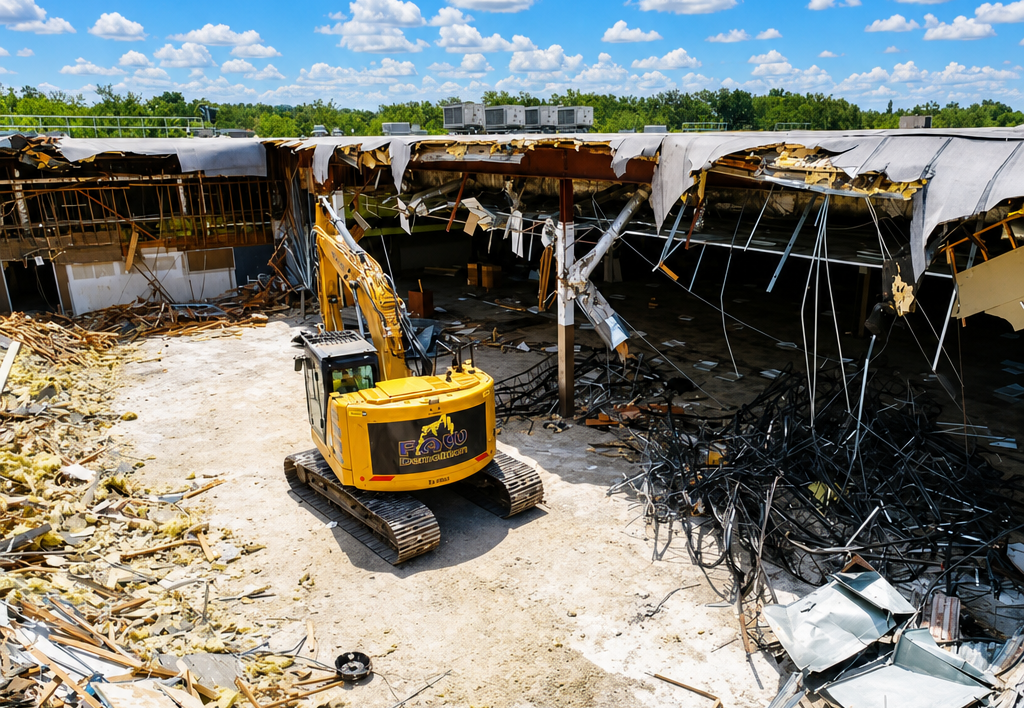
Warehouse Demolition Cost: What Factors Drive the Price in Florida
Quick Answer: Warehouse demolition cost in Florida typically runs between $4 and $12 per square foot, though steel-frame buildings often land at the lower end while concrete tilt-wall