
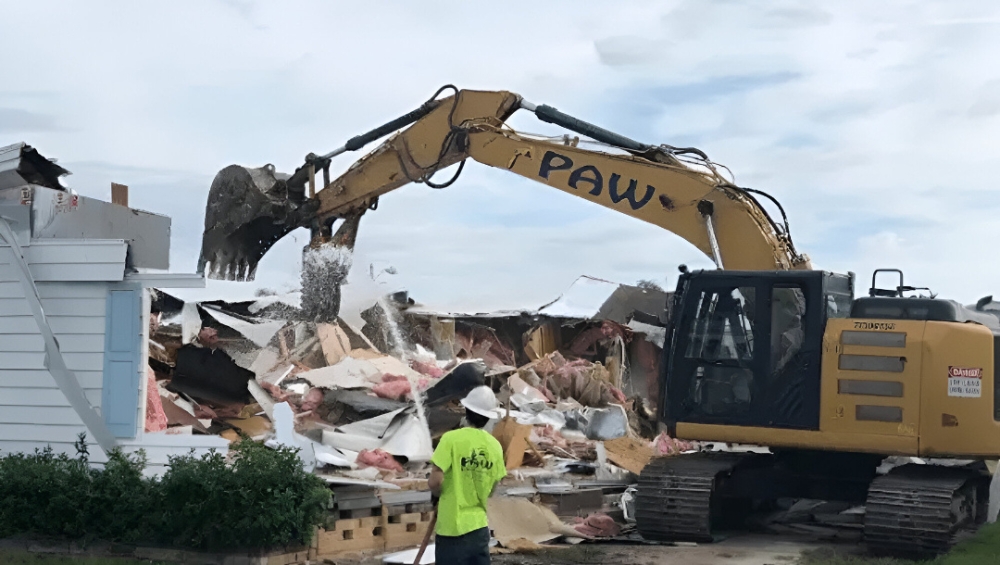
Residential demolition in Port Richey isn’t just about knocking down walls and clearing out debris. It’s a process that can significantly affect the local environment—from the waste it generates to the pollutants it risks releasing into nearby soil and waterways. For homeowners and developers who care about sustainability, understanding these environmental effects isn’t just helpful—it’s essential.
The good news? Responsible demolition contractors in Port Richey are taking real steps to reduce that impact. From carefully managing hazardous materials to reusing and recycling as much as possible, today’s best practices aim to protect our ecosystems while still getting the job done efficiently.
In this article, we’ll explore the key environmental concerns tied to residential demolition, and how experienced contractors are tackling them through smart planning, clean technology, and compliance with Florida’s evolving regulations.
Smarter Waste Management in Residential Demolition
Turning Debris into Opportunity: How Port Richey Contractors Reduce Demolition Waste
One of the most immediate environmental impacts of residential demolition is the sheer volume of waste it produces. From splintered wood and broken bricks to concrete slabs and rusted metal, an average teardown can generate tons of debris. If mishandled, most of it ends up in landfills—adding to environmental strain and wasting resources that could have been reused.
In Port Richey, however, leading demolition contractors are flipping the script. Waste isn’t just tossed—it’s sorted, salvaged, and strategically recycled to minimize environmental damage and reduce project costs.
Common Waste-Reducing Practices:
-
On-site material separation: Crews sort debris into categories like metals, concrete, and wood as it’s removed.
-
Recycling partnerships: Materials are transported to recycling centers that specialize in construction waste, keeping valuable resources in circulation.
-
Material repurposing: Reclaimed wood, brick, and fixtures can often be reused in new builds or community projects.
-
Right-sized dumpsters: Using properly sized waste containers prevents overflow and encourages better sorting.
Not only do these practices support environmental goals, they also help meet local regulatory standards—many of which now encourage or require waste diversion as part of permitted demolition work.
Did you know? In Port Richey, many licensed contractors report recycling between 60% and 80% of all demolition debris, depending on the materials involved. That’s a significant drop in landfill reliance.
This kind of proactive waste management isn’t just smart—it’s increasingly expected by local homeowners who want eco-conscious service providers. For contractors, that means reducing environmental impact isn’t just good practice—it’s good business.
Safe Handling of Hazardous Materials
What You Don’t See Can Hurt the Environment: How Port Richey Contractors Handle Hidden Hazards
In residential demolition, the biggest risks to the environment—and to people—aren’t always visible. Materials like lead paint, asbestos insulation, and black mold may be buried behind walls or beneath flooring, especially in older homes around Port Richey and surrounding areas.
These contaminants can cause serious harm if released into the air, soil, or groundwater during demolition. That’s why reputable contractors, like those at PAW Demolition, place hazardous material handling at the top of their pre-demolition checklist.
What Port Richey Contractors Are Doing Right:
-
Thorough inspections before demo day: Licensed teams conduct environmental assessments to detect asbestos, lead, and other harmful materials.
-
Certified abatement professionals: Only trained specialists remove toxic substances, in line with both EPA and Florida safety protocols.
-
Containment strategies: Negative air machines, sealed containers, and site-specific PPE reduce the risk of contamination.
-
Proper transport and disposal: Hazardous waste is sent to approved facilities—not local dumps—avoiding long-term soil or water damage.
Why it matters: Asbestos particles can stay airborne for hours and travel far beyond the job site. That’s why professional asbestos removal—especially in older homes—isn’t optional. It’s legally required and environmentally essential.
Contractors who offer residential demolition services in Port Richey, Clearwater, and other Florida cities know that cutting corners on hazardous materials isn’t just unethical—it can result in fines, lawsuits, and environmental damage.
For larger or mixed-use properties, companies may also draw from industrial demolition experience, adapting strict safety protocols to protect both people and ecosystems.
Sustainable Demolition Approaches for Eco-Friendly Outcomes
Beyond the Wrecking Ball: Smarter Demolition That Respects the Environment
Residential demolition doesn’t have to be an all-or-nothing teardown. In fact, more contractors across Port Richey and Pasco County are shifting toward sustainable demolition methods that reduce waste, emissions, and unnecessary environmental harm.
Instead of leveling entire structures in one go, experienced teams now use targeted strategies—like deconstruction and selective demolition—to preserve valuable materials and reduce their carbon footprint. It’s not just good for the planet. It’s also a smart way to cut disposal costs and stay ahead of evolving regulations.
What Eco-Conscious Demolition Looks Like:
-
Deconstruction: This approach involves carefully dismantling a home to recover usable materials—such as wood beams, fixtures, and bricks—for reuse or donation.
-
Selective demolition: Contractors remove only specific parts of a structure (like outdated extensions or unsafe roofing), minimizing waste generation.
-
Low-emission machinery: Equipment fitted with advanced filters and cleaner engines helps reduce air pollution around neighborhoods.
-
Dust suppression systems: Tools like water sprayers and negative pressure vacuums help maintain air quality during demolition.
Quick comparison: Traditional demolition emphasizes speed, often leading to more waste and noise. Sustainable demolition focuses on precision and reuse, cutting environmental impact significantly.
PAW Demolition, for example, incorporates these practices in residential and commercial demolition projects across Pasco County. Whether it’s a home in Dade City or a storefront in Clearwater, the same eco-first mindset applies.
These environmentally responsible approaches also align with broader trends in green building and redevelopment. For developers pursuing eco-certifications or homeowners who simply want to do the right thing, choosing a contractor who prioritizes sustainability is becoming the new standard.
Community and Environmental Regulations in Port Richey
Why Local Rules Matter—and How They Shape Smarter Demolition Projects
Sustainability in demolition isn’t just about what contractors choose to do—it’s also shaped by what they’re required to do. In Port Richey and throughout Florida, demolition activities are governed by a patchwork of local, state, and federal regulations that aim to protect both people and the environment.
From obtaining the right permits to following specific waste disposal protocols, reputable contractors treat compliance not as a hurdle—but as a blueprint for doing responsible work.
What Regulations Cover:
-
Permit requirements: Before a residential demolition can begin, contractors must secure local permits that confirm site safety and environmental planning. For Pasco County, this is especially important when working near protected areas or stormwater systems.
-
Hazardous material protocols: State and federal laws (like those enforced by the EPA and FDEP) dictate how lead, asbestos, and other dangerous materials must be identified, removed, and disposed of.
-
Disposal and recycling guidelines: Many municipalities—including Port Richey—require proof that debris is properly sorted and diverted from landfills whenever possible.
-
Erosion and runoff protections: Projects must include measures to prevent demolition debris and soil from entering waterways, which can disrupt ecosystems and contaminate drinking water.
For a deeper look at demolition permit rules and licensing requirements in the region, visit PAW Demolition’s licensing and service info.
By working with licensed pros who understand the local code inside and out—such as those offering residential demolition in Wesley Chapel or Pasco County commercial services—homeowners ensure that their projects stay on the right side of the law and the environment.
Innovative Technologies Minimizing Environmental Impact
Modern Tools for a Cleaner Teardown
Technology is playing a bigger role than ever in making demolition projects cleaner, safer, and more sustainable. Gone are the days when demolition meant indiscriminate wrecking balls and clouds of dust. Today’s best contractors in Port Richey use precision equipment and digital tools to limit waste, control emissions, and optimize every step of the process.
These innovations don’t just help the environment—they also make projects more efficient and cost-effective for homeowners and developers alike.
Key Technologies in Use:
-
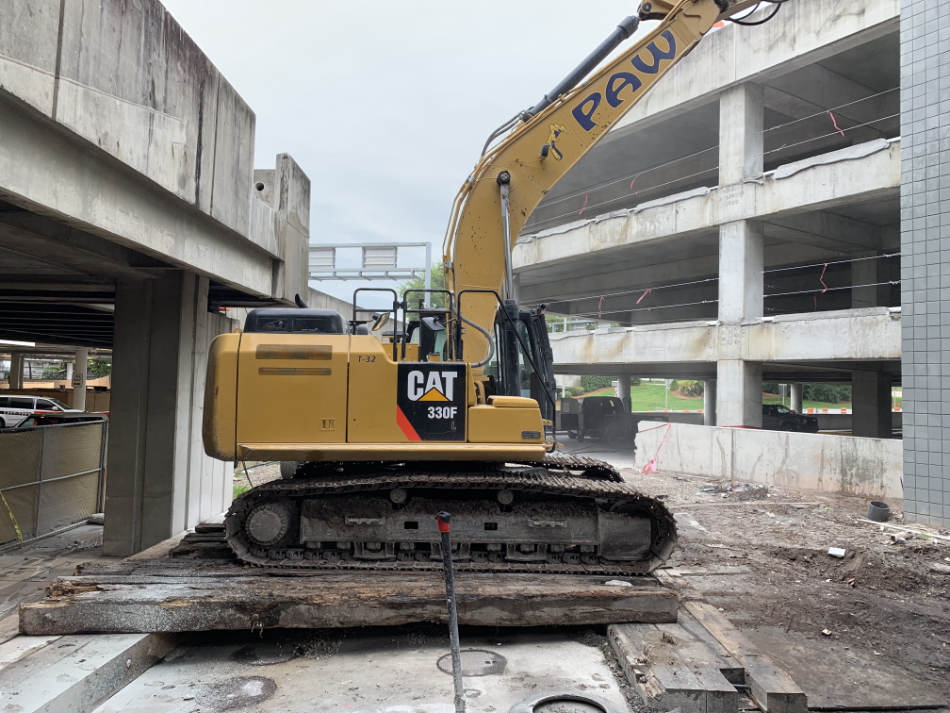
Hydraulic excavators with precision controls: These machines allow crews to target demolition areas more accurately, preserving reusable materials and minimizing unnecessary destruction. Learn more about this type of machinery used in large and small-scale projects by visiting PAW’s Bridge, Heavy & Highway Division.
-
Dust suppression systems: High-efficiency misting machines and water cannons reduce airborne particles, improving air quality around the job site and surrounding neighborhoods.
-
Digital project management tools: Software solutions help schedule tasks more efficiently, reduce idle time for equipment, and cut down on on-site emissions.
-
Low-emission engines: Newer machinery often meets stricter emissions standards, reducing the amount of pollutants released during demolition work.
Why it matters: These technologies aren’t just futuristic add-ons. They’re fast becoming the industry standard—especially for eco-conscious contractors like PAW Demolition, who serve cities across Florida, including Zephyrhills and Lakeland.
When these tools are used in combination with sustainable demolition methods, they significantly reduce the environmental footprint of tearing down a home—making the process safer for people and better for the planet.
Post-Demolition Site Preparation and Environmental Restoration
What Happens After the Dust Settles
The end of a demolition project isn’t the end of the environmental responsibility. In fact, what happens after the teardown is just as important as what came before. A well-prepared site sets the stage for safe development and environmental recovery—while a poorly managed one can cause long-term damage to soil, water, and local habitats.
In Port Richey and nearby areas like Hudson and Brandon, top-tier demolition contractors prioritize post-demolition cleanup and restoration to ensure the site is ready for whatever comes next—without harming the environment in the process.
Responsible Post-Demolition Practices:
-
Complete debris removal: All remaining materials are removed from the site and properly sorted, with recyclables diverted and hazardous waste disposed of per Florida regulations.
-
Soil testing and remediation: If contamination is suspected—especially from older building materials—soil tests may be required. Remediation involves removing or neutralizing pollutants.
-
Grading and erosion control: The land is leveled and stabilized to prevent runoff, flooding, or sediment from affecting nearby properties and water systems.
-
Vegetation restoration or landscaping: Some projects reintroduce native plants to help restore ecological balance, support pollinators, and reduce soil erosion naturally.
Why it matters: Left unaddressed, post-demolition sites can contribute to water pollution, create dust hazards, and even become safety risks. Responsible contractors ensure none of that happens.
Contractors offering environmentally aware demolition services understand that site restoration isn’t a bonus—it’s a core part of finishing the job. Whether in Zephyrhills, Lakeland, or any other part of Central Florida, eco-conscious demolition teams treat cleanup as a key deliverable, not an afterthought.
Choosing the Right Contractor for Environmentally Responsible Demolition
What to Look for (and Ask) Before You Hire
Even the best sustainability plans won’t make an impact if the contractor executing them cuts corners. In Port Richey, where both environmental sensitivity and regulatory expectations are high, choosing the right demolition contractor is critical—not just for legal compliance, but for long-term ecological health.
Working with a contractor who values environmental responsibility means you’re more likely to see lower waste, safer practices, and a cleaner site when the work is done.
How to Identify an Eco-Conscious Demolition Pro:
-
Verify licensing and certifications: Always check that your contractor is properly licensed for residential demolition in Florida. For example, PAW Demolition maintains up-to-date licensing and insurance to ensure all projects meet state and local standards.
-
Ask about sustainability practices: Get clear answers on how the team handles recycling, waste diversion, and hazardous materials. Reputable teams in cities like Clearwater or Dade City are often proud to share their process.
-
Check for experience with green methods: Look for evidence of deconstruction work, selective demolition, or previous eco-certified projects. These show a commitment beyond just following the rules.
-
Review safety records and environmental compliance history: Responsible contractors will readily provide references and documentation upon request.
Tip: Ask how much of the debris from your project will be recycled. The best contractors in Port Richey aim to recycle at least 60–80% of demolition materials.
Homeowners serious about sustainability often go beyond price quotes and ask deeper questions—about air quality controls, landfill avoidance, and even post-demolition land use. And that’s exactly what contractors offering responsible residential demolition in Plant City or Wesley Chapel are prepared to discuss.
 Schedule Your Demolition
Safe, efficient teardown services backed by 30+ years of local experience.
Safe, efficient teardown services backed by 30+ years of local experience.
Frequently Asked Questions
What materials from residential demolition can be recycled?
Many materials—including concrete, metal, wood, and bricks—can be reclaimed and reused. In Port Richey and surrounding cities like Clearwater, demolition contractors often recycle up to 80% of the debris from residential jobs, significantly cutting landfill waste.
How do contractors handle lead paint during demolition?
Lead-based paint is still found in older Florida homes. Certified professionals conduct inspections and use containment measures to remove it safely before demolition begins, in line with EPA guidelines and state safety procedures.
Is it more expensive to use sustainable demolition methods?
Some eco-friendly practices may involve higher initial costs—like extra labor for deconstruction or specialty waste removal—but they often reduce total project expenses through material reuse and lower landfill fees. For example, contractors in Dade City or Wesley Chapel often promote sustainability as a cost-efficient long-term strategy.
How long does a typical residential demolition take in Port Richey?
Most residential demolitions take between a few days and two weeks, depending on the structure’s size, site access, and environmental requirements. Timelines may be extended when dealing with hazardous material abatement or advanced recycling processes.
Can residential demolition affect local water quality?
Yes—especially if contaminants like asbestos or lead enter the soil and eventually reach groundwater. That’s why licensed demolition professionals in areas like Hudson and Plant City follow strict containment and disposal protocols to protect local water systems.
Conclusion
Demolition Done Right—For Your Project and the Planet
Residential demolition doesn’t have to come at the environment’s expense. In Port Richey and communities across Florida, responsible contractors are proving that you can clear space for something new without leaving behind a trail of unnecessary waste, pollution, or damage.
By prioritizing recycling, safely handling hazardous materials, using low-emission equipment, and restoring job sites with care, demolition teams like PAW Demolition are raising the bar for sustainability in the industry. Whether you’re a homeowner planning a teardown in Lakeland or a developer managing multiple properties across Pasco County, the right contractor makes all the difference.
Looking for an environmentally responsible demolition partner? Contact PAW Demolition today to discuss your project and get a free estimate from Florida’s trusted experts in safe, sustainable demolition.