
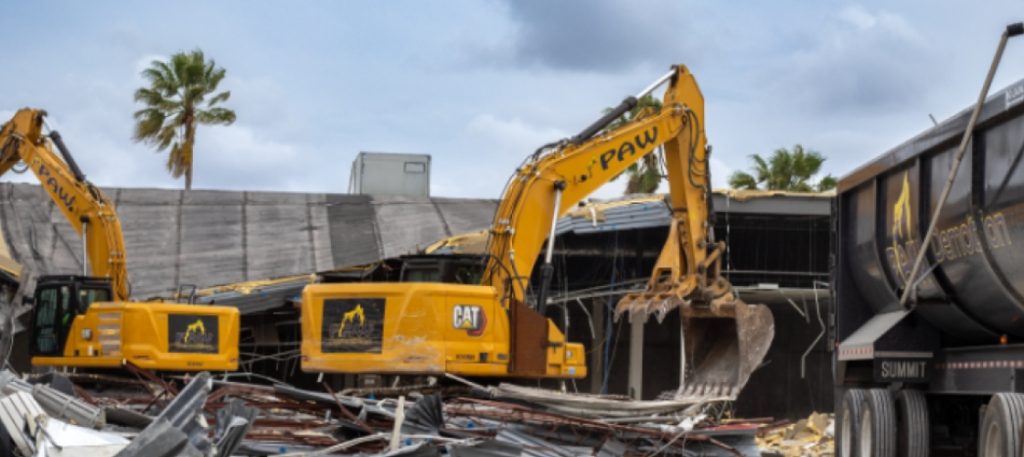
Every year, thousands of old buildings in Tampa, Florida, are demolished to make way for new development. Despite common assumptions, demolition is not a simple knockdown process; it involves detailed planning and strict regulations. Proper preparation and understanding of the demolition process can prevent costly delays and safety hazards, ensuring your project runs smoothly from start to finish.
Quick Answer: Old building demolition in Tampa requires permits, asbestos testing, utility disconnection, and professional contractors. The average project timeline ranges from 2 to 6 weeks, depending on building size and complexity.
Demolition Permits and Legal Requirements
Before starting any demolition work, obtaining the proper building demolition permits is critical. In Tampa, permits are generally required for demolishing structures larger than small sheds or garages. The application process involves submitting detailed site plans, proof of ownership, and sometimes environmental reports.
Permit costs vary but typically range between $100 and $500 depending on the municipality.
Historic buildings pose additional challenges. If your property has historic designation, special approval from local preservation boards might be necessary, which can extend timelines and add requirements.
Additionally, Tampa city regulations often require notifying neighbors within a certain radius about the demolition plans to minimize disputes and safety concerns.
How Long Does It Take to Get a Demolition Permit?
In the City of Tampa, straightforward residential demolition permits can often be issued the same day once all documentation and utility sign‑offs are in place. For more complex projects involving multiple agencies, securing a demolition permit may take anywhere from a few weeks to over a month, with the overall permitting phase often running 2 to 8 weeks depending on workload and project complexity.
Some jurisdictions in the Tampa Bay area offer expedited or priority review for qualifying projects, but historic properties and more involved demolitions typically require additional review steps that can limit how fast the
What Happens If You Demolish Without a Permit?
Demolishing without a permit in Florida can lead to significant fines ranging from several hundred to thousands of dollars. Besides financial penalties, unauthorized demolition may create legal liabilities if the work causes damage to adjacent properties. Insurance claims related to accidents or damages during unpermitted demolition are often denied, putting property owners at risk.
For professional demolition services that comply with Tampa’s regulations, consider checking reputable providers like those listed under commercial demolition Tampa.
Pre-Demolition Safety Inspections and Testing
Safety is a top priority before any demolition begins. In Tampa, buildings constructed before 1980 require mandatory asbestos testing before demolition due to the health risks associated with asbestos fibers. Lead paint assessments are also common, especially in older residential and commercial buildings.
Structural engineers conduct thorough evaluations to identify potential hazards and ensure the building can be safely dismantled.
Additionally, underground storage tanks must be detected and removed to prevent environmental contamination. Utility companies are contacted to safely disconnect gas, electricity, water, sewer, and telecommunications services.
Asbestos Abatement: When Is It Required?
According to EPA regulations, asbestos must be removed by certified professionals before demolition if detected in significant quantities. Abatement costs vary depending on the amount and location of asbestos-containing materials.
DIY removal is strongly discouraged due to health risks and strict legal requirements. Professional abatement ensures compliance and safety.
To learn more about proper asbestos handling, visit going green and recycling resources and services available in Tampa.
Demolition Methods and Equipment
Choosing the right demolition method depends on building size, location, and project goals. Mechanical demolition using excavators and wrecking balls is common for large structures, offering quick and efficient removal.
Selective demolition focuses on removing specific parts of a building, ideal for renovations or preserving certain elements. Implosion uses controlled explosives for large-scale demolitions but requires specialized expertise and permits. Hand demolition is used for delicate situations or areas with limited access.
Contractors typically provide their own equipment, but smaller projects may rent machinery. Weighing rental costs versus contractor-provided tools can affect your budget and timeline.
Which Demolition Method Is Right for Your Project?
Factors such as building materials, proximity to other structures, and environmental concerns influence method choice. Mechanical demolition is often the most cost-effective for total removal, while selective demolition suits projects aiming to recycle or salvage materials.
For detailed guidance, explore demolition services offered by experts in Brandon commercial demolition.
Environmental Considerations and Waste Management
Demolition projects in Tampa must follow strict environmental guidelines. Materials must be separated onsite for recycling or proper disposal. Concrete, metals, and wood are commonly recycled, reducing landfill use and supporting sustainable construction.
Hazardous waste, such as asbestos and lead paint debris, requires specialized disposal procedures to protect air and water quality. Dust control measures, including water sprays and barriers, help maintain air quality during demolition.
Soil contamination testing may be necessary after demolition, especially if underground tanks or hazardous materials were present.
Many projects aim for LEED certification by adhering to green demolition practices, reducing environmental impact and enhancing property value.
What Materials Can Be Recycled During Demolition?
- Concrete is crushed and reused as aggregate for new construction.
- Metals like steel and copper are sorted and sent to recycling facilities.
- Wood can be salvaged for reuse or turned into mulch.
- Salvageable materials such as bricks, fixtures, and doors may have resale value.
Local recycling facilities and guidelines can be found through Tampa’s commercial demolition Hillsborough services.
Demolition Costs and Budgeting
Demolition costs vary widely based on building type and size. On average, Tampa demolition projects cost between $4 and $15 per square foot. Additional expenses include utility disconnection, debris removal, and hazardous material abatement.
Hidden costs can add up quickly, especially if unexpected issues arise during demolition. DIY demolition is rarely cost-effective for old buildings due to safety risks and regulatory requirements.
Financing options are available for large projects, often through construction loans or business credit lines.
How to Get Accurate Demolition Quotes
When requesting quotes, ask contractors about included services such as permit handling, debris hauling, and site cleanup. Beware of estimates that seem unusually low, as they may exclude critical tasks or use substandard methods.
A comprehensive quote should detail:
- Scope of work and demolition methods
- Permit and inspection fees
- Waste disposal and recycling plans
- Project timeline and payment schedule
Find trusted professionals through local industrial demolition and commercial demolition directories.
Choosing the Right Demolition Contractor
Selecting a qualified contractor is essential for a safe and efficient demolition project. Verify that the contractor holds all necessary licenses and insurance required by Tampa and Florida state laws. Experience with buildings similar to yours ensures the contractor understands specific challenges.
Review safety records and OSHA compliance to confirm adherence to industry standards. Ask for references and view portfolios of past projects to evaluate quality and reliability. Contract terms should clearly define payment schedules, cleanup responsibilities, and project timelines.
Questions to Ask Before Hiring a Demolition Contractor
- Can you provide proof of insurance, including liability and workers’ compensation?
- What is your estimated timeline for this project?
- Who is responsible for site cleanup and debris removal?
For expert advice, consult with demolition professionals listed on Tampa’s commercial demolition Pasco service pages.
Timeline and Project Management
The typical demolition timeline varies from 2 weeks for small residential buildings to 6 weeks or more for large commercial properties. Weather conditions, especially during Florida’s rainy season, can cause delays.
Coordination with other construction phases, such as site preparation and new building permits, is vital to avoid downtime. Common delays include permit processing, unexpected hazardous material discovery, and equipment availability.
After demolition, site preparation may involve grading, foundation work, or soil remediation to ensure the land is ready for new construction.
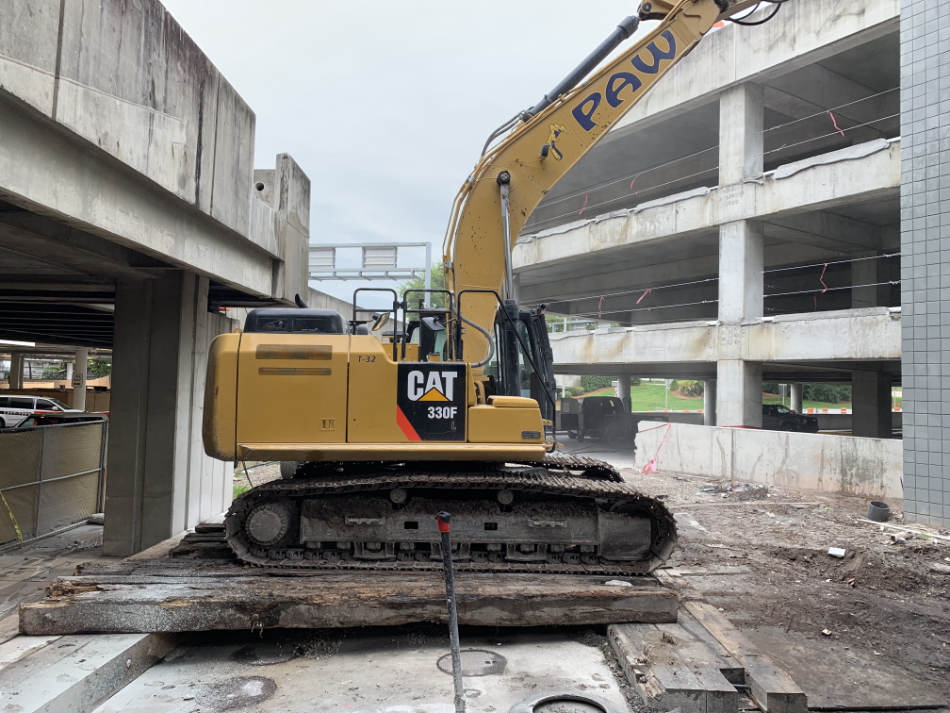
Plan Your Tear Down
Fast, reliable demolition services from licensed pros with decades of field experience.
Frequently Asked Questions About Old Building Demolition
Do I need a permit to demolish a small outbuilding or garage?
Permit requirements vary by municipality and structure size. In most Tampa areas, permits are required for structures over 200 square feet. Smaller sheds may not need permits but always check local regulations.
How much notice do I need to give neighbors before demolition?
Typically, 5-10 business days’ notice is required depending on local ordinances. Some areas may mandate certified mail notification to affected neighbors to ensure proper communication.
Can I live on the property during demolition?
Safety regulations generally prohibit occupancy during active demolition due to hazards. Temporary housing arrangements are recommended until the site is cleared and deemed safe.
What utilities need to be disconnected before demolition?
All utilities must be professionally disconnected, including gas, electric, water, sewer, and telecommunications. Each utility provider requires separate appointments to ensure safe disconnection.
How long does asbestos testing take?
Sample collection usually takes 1-2 hours. Laboratory results are typically available within 24 to 48 hours, allowing timely planning for abatement if necessary.
What happens to the foundation after demolition?
Foundation removal depends on future construction plans. Partial removal and filling are often more cost-effective than complete removal, but this decision should be made with input from engineers and contractors.
For more detailed demolition advice, contact the experts at Paw Demo.
Planning your old building demolition carefully, obtaining the right permits, and working with experienced contractors are key to a successful project in Tampa. Professional consultation ensures safety, compliance, and cost-effectiveness throughout the process. Reach out to local demolition specialists such as Paw Demolition today to get a tailored quote and start your project with confidence.