
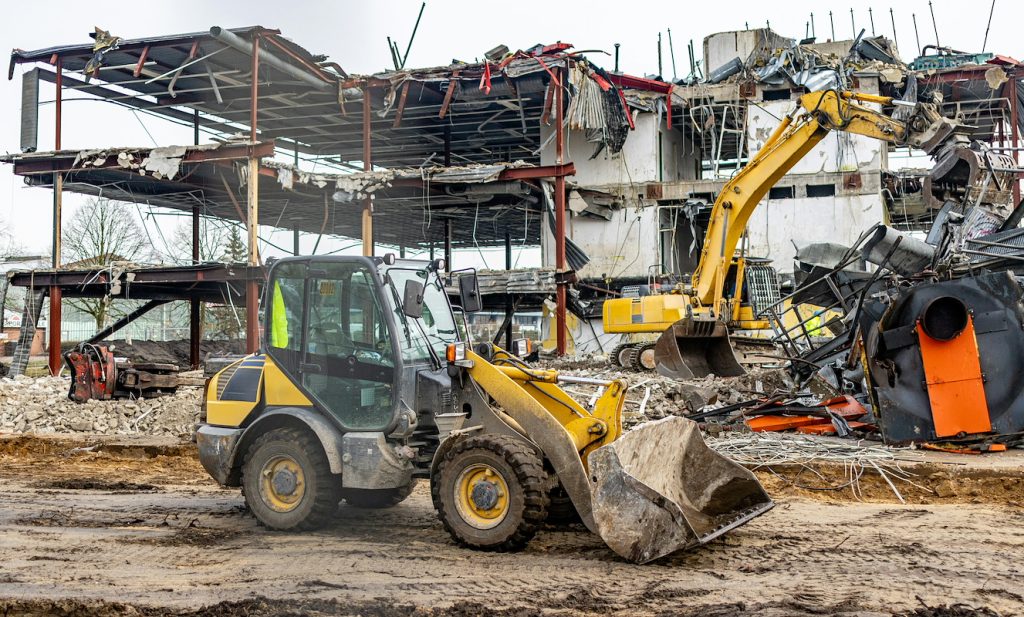
Demolition is a critical step in construction and renovation projects, but not all demolition methods are created equal.
Whether you’re a homeowner, builder, or contractor in the Gulf Coast and the greater Tampa Bay region, understanding the difference between selective and total demolition is essential. Choosing the right demolition technique can save you time, reduce costs, and support sustainable construction practices. Not every project requires tearing everything down, and knowing when to opt for partial versus complete demolition can make a big difference in your project’s outcome. For Tampa homeowners specifically, local building conditions and regulations can further influence which demolition method is best for your property.
In this article, we’ll explore the key aspects of both selective and total demolition, helping you decide which method suits your specific needs.
Quick Answer: Selective demolition focuses on carefully removing specific parts of a structure for reuse or recycling, while total demolition involves completely tearing down a building or structure. The right choice depends on project goals, budget, and sustainability needs.
What Is Selective Demolition?
Selective demolition is a precise demolition method where only certain parts of a building are dismantled, leaving other sections intact. This approach is often used when specific materials or structural components need to be preserved or reused.
Selective demolition is ideal for projects where renovation or remodeling occurs without fully removing the existing structure.
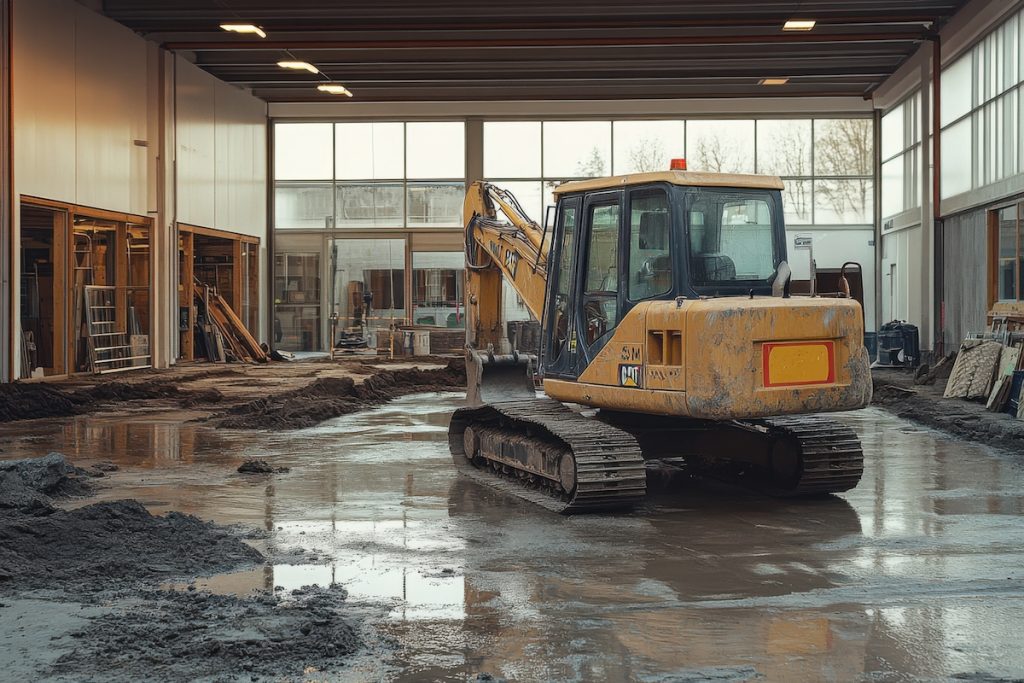
Key Features of Selective Demolition
- Preserves structural elements: Key parts of the building, such as walls, floors, or support beams, remain untouched to maintain integrity.
- Prioritizes recycling and reuse: Materials like wood, metal, and fixtures are carefully removed for salvage, reducing waste.
Common Scenarios for Selective Demolition
- Renovations and remodels: When upgrading parts of a home or commercial space without a full teardown.
- Historic preservation projects: Protecting architectural features while modernizing other areas.
Are you working on a commercial or industrial project? See how the selective demolition approach can be more cost-effective and offer greater precision and sustainability.
What Is Total Demolition?
Total demolition refers to the complete teardown and removal of a building or structure. This method clears the entire site, often preparing it for new construction.
It’s typically used when a building is unsafe, outdated, or no longer serves its intended purpose.
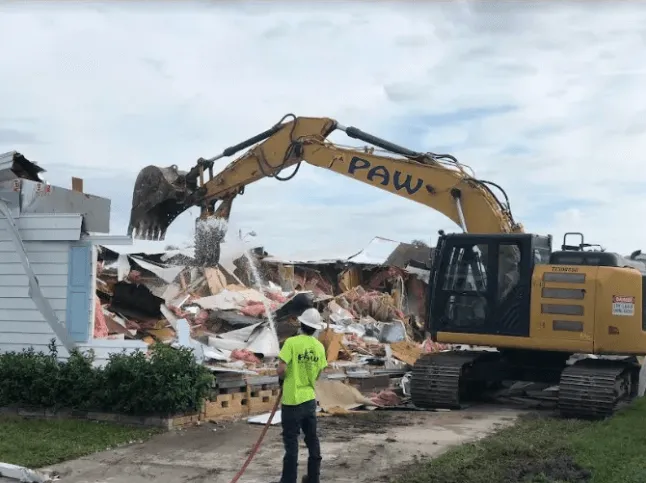
Key Features of Total Demolition
- Complete teardown: The entire structure is removed, leaving a clean slate.
- Faster and more cost-effective: Generally quicker than selective demolition, reducing labor time.
Common Scenarios for Total Demolition
- Unsafe or irreparable buildings: Structures that pose safety risks or cannot be renovated.
- Making way for new construction: Clearing the site entirely to build fresh developments.
Plan Your Tear Down
Fast, reliable demolition services from licensed pros with decades of field experience.
Selective Demolition vs. Total Demolition: Key Differences
Comparing selective demolition vs total demolition highlights important factors that affect your project’s timeline, cost, and environmental impact.
| Feature | Selective Demolition | Total Demolition |
|---|---|---|
| Scope | Removes specific parts, preserves structure | Removes entire building or structure |
| Time Required | Longer (due to careful dismantling) — typically 2–4 weeks for a residential project | Shorter (faster process) — often 3–7 days for similar size |
| Cost | Higher upfront (labor-intensive, recycling); averages $8–$20 per square foot | Lower upfront, but more waste disposal fees; averages $4–$10 per square foot |
| Environmental Impact | Eco-friendly, maximizes reuse/recycling (up to 70% of materials can be salvaged) | More landfill waste, less material recovery (often less than 30% salvaged) |
| Best For | Renovations, historic preservation, partial remodels | Unsafe buildings, full rebuilds, site clearance |
Time and Efficiency
- Selective demolition requires more time because of careful dismantling and sorting of materials. For example, a 2,000-square-foot home may take 2–4 weeks to complete selective demolition.
- Total demolition is faster since the entire structure is removed quickly, often using heavy machinery. The same-sized home can often be demolished in under a week.
Cost Considerations
- Selective demolition may have higher upfront costs due to labor-intensive processes and recycling efforts. Costs typically range from $8 to $20 per square foot, depending on complexity and salvage goals.
- Total demolition usually costs less initially but can generate more waste disposal expenses. Average costs are $4 to $10 per square foot, but landfill fees may add to the total.
Environmental Impact
- Selective demolition supports eco-friendly practices by maximizing material reuse and reducing landfill waste. Up to 70% of building materials can be salvaged and recycled in some projects.
- Total demolition often produces more debris that ends up in landfills, impacting sustainability. Typically, less than 30% of materials are recovered for reuse.
Choosing the Right Demolition Method for Your Project
Deciding between selective and total demolition depends on your project’s unique needs and goals. In the Gulf Coast communities, for example, local ordinances and historic districts may require additional review before demolition begins, making it important to consult with professionals familiar with city-specific regulations.
Project Goals and Scope
- Consider whether your project requires full reconstruction or just a partial renovation.
- Identify if specific materials need preservation for reuse or historical reasons.
Budget and Timeline
- Selective demolition may fit projects with flexible budgets and timelines.
- Total demolition works well when you need a quicker turnaround and lower upfront costs.
Regulations and Permits
Local building codes and environmental regulations in Pasco and the surrounding counties can influence the demolition method you choose.
For example, you may need to review how to obtain a demolition permit in 2026 to ensure compliance. Some counties encourage selective demolition to promote sustainable construction practices.
Additional Considerations
Using the top tools used in modern demolition projects can improve safety and efficiency, no matter which method you choose.
Also, exploring the benefits of sustainable construction practices can help align your project with environmental goals.
Safe, efficient teardown services backed by 30+ years of local experience.
Frequently Asked Questions
What is the main difference between selective demolition and total demolition?
Selective demolition targets specific parts of a structure for removal, preserving other components. Total demolition involves completely tearing down the entire building.
Which demolition method is more environmentally friendly?
Selective demolition is more eco-friendly because it focuses on recycling and reusing materials, reducing landfill waste compared to total demolition. In some cases, selective demolition can divert up to 70% of materials from landfills.
How do I decide between selective demolition and total demolition?
Consider your project goals, budget, timeline, and environmental priorities. Selective demolition suits projects needing material preservation, while total demolition fits full rebuilds or unsafe structures.
Is selective demolition more expensive than total demolition?
Selective demolition can be more expensive due to labor and recycling efforts, but it may save costs by reusing materials and reducing waste disposal fees. Expect to pay $8–$20 per square foot for selective demolition versus $4–$10 per square foot for total demolition, depending on project specifics.
What types of projects typically require total demolition?
Projects involving unsafe, damaged, or irreparable buildings, or those that need a clear site for new construction, generally require total demolition.