
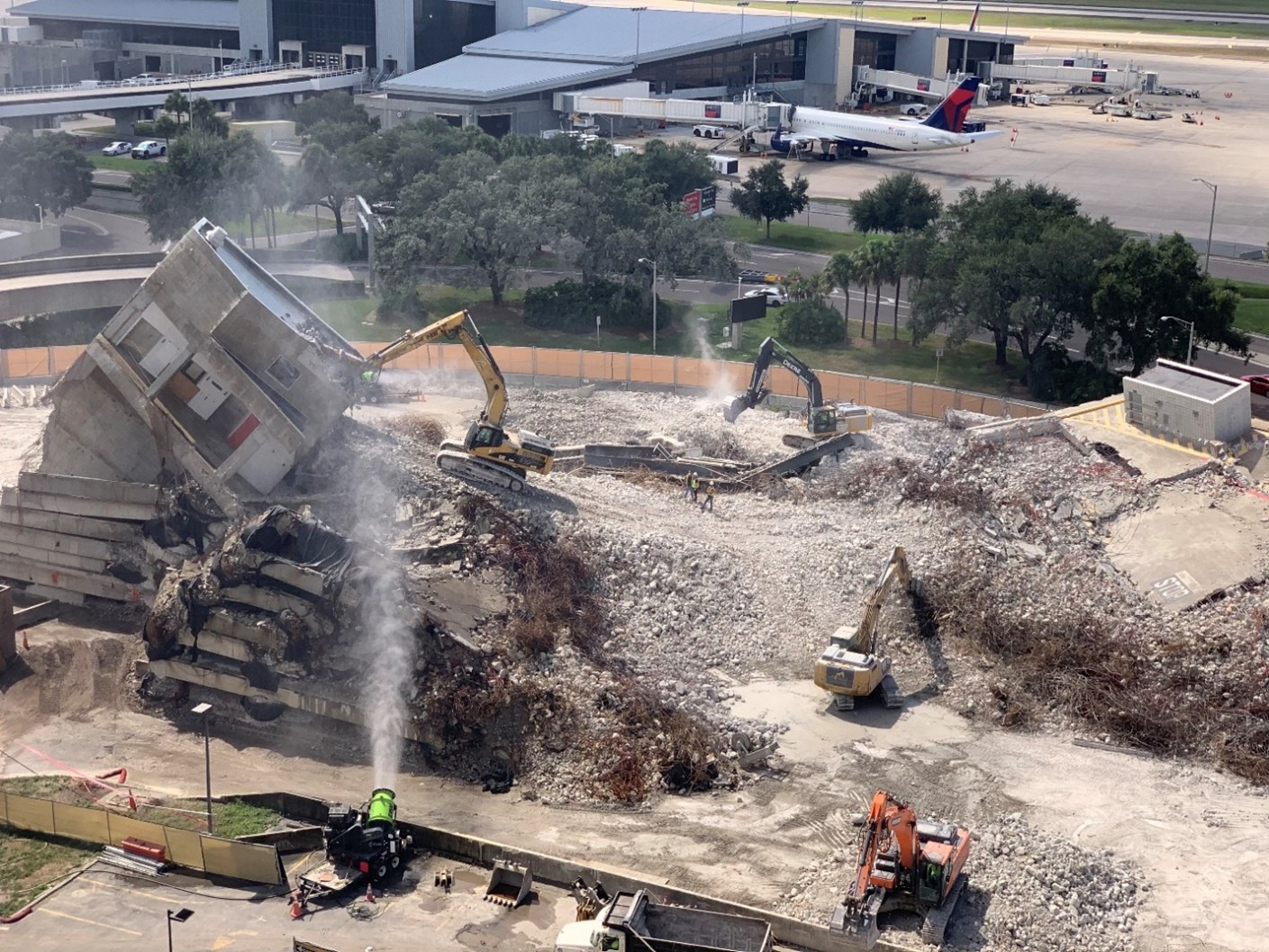
Quick Answer: Post-demolition site preparation involves debris cleanup, soil testing, grading and leveling, utility coordination, and securing final permits ensuring your site is ready for new construction and meets all safety and regulatory requirements.
When your commercial development team has just wrapped up a major demolition project in Tampa’s Channel District, that freshly cleared lot is more than just a blank slate, it’s a world of opportunity and a significant responsibility.
For general contractors and municipal agencies steering large-scale infrastructure projects, understanding what comes after demolition is essential for keeping your project on track and in compliance with regulations.
Moving from demolition to construction is not simply a matter of changing equipment. Post demolition site preparation is a multi-step process, and each phase brings its own challenges that can impact your project schedule if not properly managed.
Key Takeaways
- Thorough debris cleanup – Clearing all rubble ensures your future construction crew can work efficiently and safely
- Comprehensive soil testing – Identify any contamination and confirm the soil is suitable for your new build
- Professional grading and leveling – Proper grading prevents drainage issues and ensures a stable foundation
- Regulatory compliance – Secure all necessary permits and adhere to regulations to avoid costly delays
- Experienced contractor partnership – Work with professionals who can guide you through complex site preparation requirements
Why Post-Demolition Site Preparation Matters
For commercial developers and public infrastructure buyers, the period between demolition and construction is critical. Site clearing after demolition is not just about removing debris; it’s about thoroughly assessing and preparing your property for the next phase.
The stakes are higher when coordinating multiple contractors, engineering teams, and regulatory agencies. Missing a step during site prep can result in delays, budget overruns, and compliance issues that affect your project long after completion.
Impact on Project Timelines
Multi-phase construction schedules require careful coordination. If site prep is rushed or incomplete, you may face delays with subcontractors and city inspectors, which can impact your project’s timeline.
Commercial developers working on tight deadlines understand that proper demolition preparation and planning continues after demolition is complete. The site must be construction-ready, requiring close collaboration between demolition teams and site prep specialists.
Environmental and Safety Considerations
Environmental compliance is a complex process, especially when dealing with older industrial sites or aging infrastructure. Proper site remediation protects against fines, project shutdowns, and long-term liability.
Safety extends beyond basic protective gear. For municipal agencies managing highway or bridge projects, maintaining public safety during site preparation requires expertise and adherence to established safety protocols.
For example, a construction crew working near a busy road must follow strict procedures to prevent accidents and ensure compliance.
Step 1: Clearing the Site After Demolition
The initial cleanup phase sets the standard for the rest of the project. It involves more than simply removing debris; you must sort materials, identify hazardous substances, and comply with waste management regulations that require careful attention to detail.
For large commercial and infrastructure projects, debris removal after demolition can involve managing hundreds of tons of material—necessitating detailed planning and coordination to handle concrete, steel, and other debris efficiently.
Debris Removal and Disposal
Professional debris removal begins with sorting materials to maximize recycling and control disposal costs. Concrete, steel, and other structural materials can often be recycled, benefiting both your budget and the environment.
Adhering to local waste management regulations requires documentation for every load removed. For commercial developers, this paperwork demonstrates compliance when reviewed by stakeholders or regulators.
Heavy equipment operators use specialized machinery to separate and load materials with precision and efficiency. Professional concrete removal techniques help salvage reusable materials and ensure hazardous substances are properly managed.
Handling Hazardous Materials
Older buildings may contain asbestos, lead paint, or other hazardous materials that require specialized handling. These materials must be managed by certified professionals who follow strict protocols to ensure safety and regulatory compliance.
Engaging certified disposal teams is essential for avoiding EPA fines and future legal issues. Maintaining thorough documentation for hazardous material disposal is a critical part of the process.
Get Your Free Demolition Quote
Contact us today to get started with your demolition project!
Step 2: Soil Testing and Remediation
Once the site is clear, soil testing is conducted to identify any issues from previous land use and to confirm the ground is suitable for new construction.
For commercial developers and municipal agencies, subsurface conditions can significantly impact foundation plans and budgets. Identifying soil issues early helps prevent costly surprises during construction.
Soil Testing After Demolition
Soil testing professionals collect samples from across the site to check for petroleum, heavy metals, or other contaminants. These tests determine whether the soil is safe or requires remediation.
Stability testing ensures the ground can support your new structure. For large commercial projects, geotechnical engineers may use advanced equipment to verify that the site meets all requirements.
The testing process can take several weeks, and it is important not to rush this phase to avoid future complications.
Site Remediation Services
If contamination is found, remediation is the next step. Site remediation services may involve removing contaminated soil, using bioremediation, or applying chemical treatments to neutralize hazards. This process ensures the site is safe and compliant with regulations.
The appropriate remediation method depends on the type and extent of contamination, as well as project timelines. Regulatory agencies require detailed documentation and must approve remediation efforts before construction can proceed.
Environmental compliance during remediation involves ongoing monitoring and thorough record-keeping. Regulatory approval is necessary before moving forward with construction.
Step 3: Grading and Leveling the Construction Site
Proper grading is essential for site stability and effective drainage. Construction site grading and leveling requires precision, heavy machinery, and experienced operators.
For commercial developers managing large projects, grading errors can lead to delays and increased costs. Municipal agencies must ensure new grading integrates with existing drainage systems to prevent future issues.
Site Grading Techniques
Grading professionals adjust high and low areas to match project specifications, creating an optimal surface for construction. This work requires skilled operators familiar with both the equipment and the project requirements.
GPS-guided equipment enables precise grading, particularly on large commercial sites. Investing in advanced technology and experienced personnel reduces the risk of errors and streamlines project completion.
Choosing appropriate heavy equipment for grading depends on site characteristics, project size, and schedule. Leading contractors maintain a diverse fleet to address a variety of site conditions.
Drainage and Erosion Control
Effective drainage design prevents water accumulation and protects foundations. This includes installing both temporary and permanent systems that comply with municipal stormwater regulations.
Erosion control measures protect the site from weather-related damage and help maintain good relationships with neighboring properties.
For infrastructure projects, coordinating with municipal drainage systems requires careful planning and thorough documentation. Experienced contractors are invaluable in navigating these requirements.
Step 4: Preparing for New Construction
The final phase of site preparation involves coordinating utilities, securing permits, and ensuring all details are in place for construction to begin. Preparing land for new construction requires careful management to keep the project on schedule.
For commercial developers and public agencies, this phase includes working with utility companies, city officials, and construction teams. Effective communication and attention to detail are essential for success.
Utility Connections and Infrastructure
Coordinating water, power, gas, and sewage connections requires early engagement with utility providers. For large projects, capacity upgrades may be necessary to meet future demands.
Telecommunications infrastructure is also critical for modern buildings. Early coordination with providers ensures connectivity is available when needed.
Municipal agencies managing infrastructure projects must often coordinate utility relocations and upgrades, which can be complex and require detailed scheduling.
Final Inspections and Approvals
Before construction can begin, building inspectors must approve the site preparation work. This includes passing code inspections and providing comprehensive documentation.
Understanding local permitting requirements helps avoid unexpected delays. Each city has unique regulations, so thorough research is essential.
Final site surveys confirm that grading and preparation meet approved plans. These records are often required for insurance and financing purposes.
Choosing the Right Partner for Post-Demolition Site Preparation
Selecting the right contractor for site preparation is a crucial decision. Commercial developers and municipal agencies need partners with experience managing complex projects and a proven track record of success.
The most qualified contractors offer expertise in compliance, environmental management, and project coordination, ensuring your project progresses smoothly.
Experience with Complex Projects
Large commercial and infrastructure projects require contractors with relevant experience, the appropriate equipment, and skilled personnel. A strong portfolio of similar projects is a key indicator of capability.
Case studies from Central Florida projects provide insight into how contractors address challenging site conditions. Teams with local experience and established relationships with permitting agencies offer significant advantages.
A diverse project portfolio demonstrates a contractor’s ability to adapt to various challenges. Commercial demolition experience in Hillsborough County is a strong indicator of local expertise and regulatory familiarity.
Safety and Environmental Compliance
Verify a contractor’s OSHA record, insurance coverage, and safety training. A strong safety culture is essential for minimizing project risks.
Environmental compliance is increasingly complex. Contractors should be knowledgeable about current regulations and maintain relationships with certified disposal and remediation professionals.
Look for professional certifications and industry memberships as evidence of a contractor’s commitment to best practices and ongoing education.
Final Thoughts
Post-demolition site preparation is a foundational element of any successful build. For commercial developers, general contractors, and municipal agencies managing large-scale projects in Central Florida, this phase establishes the groundwork for the entire construction process.
Proper site preparation keeps projects on schedule, reduces risks, and ensures a smooth transition to construction.
Investing in experienced site preparation teams pays dividends by preventing costly mistakes and delays. Attempting to cut costs with inexperienced crews often leads to greater expenses over time.
Success in site preparation requires coordination among professionals in debris removal, environmental testing, soil remediation, grading, and utility management. Your contractor should possess the expertise, equipment, and local knowledge necessary to deliver results.
As Central Florida continues to grow, professional site preparation will remain essential for successful development. Projects that begin with a solid foundation are best positioned for long-term success.
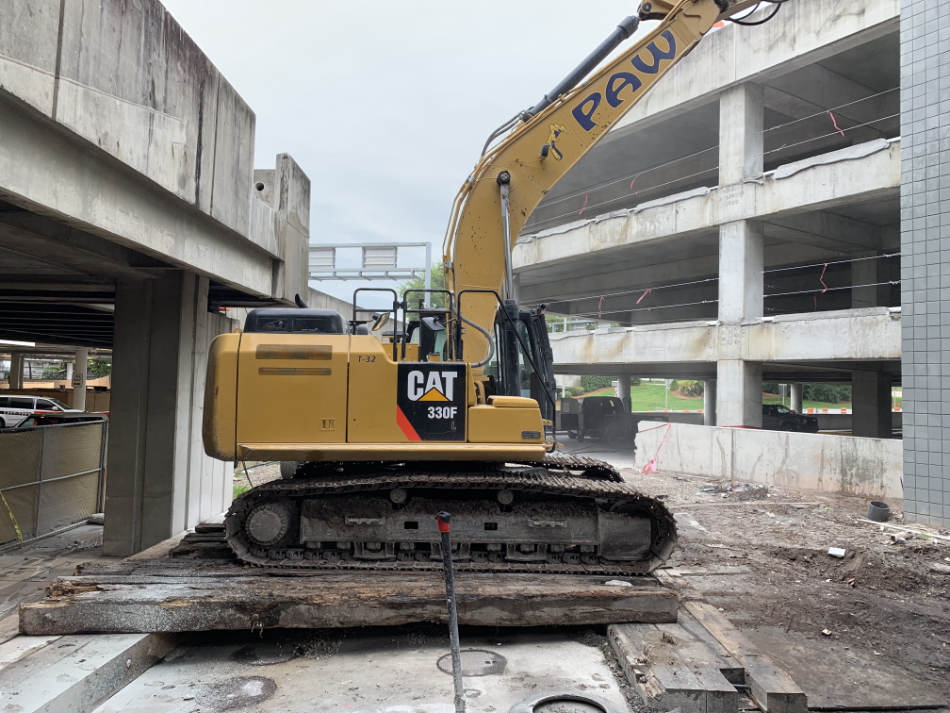
Safe, efficient teardown services backed by 30+ years of local experience.
Frequently Asked Questions
Can your team handle large-scale site preparation projects?
Yes, we specialize in large-scale commercial and public infrastructure projects throughout Central Florida. Our fleet of heavy equipment and experienced operators enables us to manage demanding jobs, from preparing new shopping centers to clearing sites for municipal upgrades. We have extensive experience with both urban and suburban projects, ensuring efficient progress.
How do you manage environmental compliance during site preparation?
We approach environmental compliance with diligence and professionalism. Our team remains current on all local, state, and federal regulations, maintaining detailed records throughout each project. Whether handling hazardous materials or coordinating soil remediation, we partner with certified specialists to ensure full compliance at every stage.
What is your safety record?
We maintain a strong safety record through regular training, strict OSHA compliance, and comprehensive insurance coverage. Our crews understand that safety is a core value, and we foster a culture of vigilance and accountability on every site.
Do you offer soil testing and remediation services?
Yes, we provide comprehensive soil testing and remediation services tailored to your project’s requirements. From coordinating with certified laboratories to managing full-scale remediation, we ensure your site is clean, safe, and ready for construction.
Can you coordinate with other contractors and agencies?
Coordination is a key strength of our team. We regularly collaborate with general contractors, engineers, and municipal agencies to keep projects on schedule. Our project managers excel at communication and organization, ensuring seamless progress from start to finish.