Hiring a demolition company for an industrial project in Port Richey, FL, means putting safety first. The work is inherently risky — with unstable structures, heavy machinery, and potential exposure to hazardous materials. That’s why understanding what safety standards to expect can help safety managers, property owners, and contractors make smarter, more confident decisions.
This guide outlines what professional demolition companies should provide when it comes to worker protection, site control, hazardous material handling, and regulatory compliance.
Regulatory Foundations: OSHA and Florida Standards
Safety in industrial demolition starts with regulations from the Occupational Safety and Health Administration (OSHA). OSHA’s regulation 29 CFR 1926 Subpart T is specifically written for demolition operations and includes guidance on hazard identification, fall protection, structural stability, and PPE requirements.
Demolition firms must also follow hazard communication standards for materials like asbestos and lead, as well as fall protection and equipment operation safety.
In Florida, additional safety requirements may apply — including environmental rules on air quality, asbestos abatement, and waste disposal. While the details vary by municipality, all demolition companies must align with both OSHA and state building codes.
What to Expect from a Reputable Demolition Company
A qualified demolition firm — such as Paw Demolition — will bring structure, planning, and safety control to the job from day one. Here’s what that typically includes:
-
Site-specific safety plans
-
Daily hazard assessments and toolbox talks
-
Enforcement of PPE: helmets, gloves, goggles, boots, respiratory protection
-
Emergency procedures and first-aid stations on-site
-
Regular equipment inspections and operator certifications
Paw Demolition’s PPE procedures outline how teams are trained to not only use the gear properly but also understand the risks associated with industrial sites.
Tip: Ask for the most recent version of a contractor’s safety plan, including training records and any site-specific hazard reports.
Equipment and Technology That Boost Safety
Modern demolition relies heavily on technology to reduce human risk. Here are examples of what companies may use:
-
Remote-controlled demolition robots for accessing unstable or dangerous zones
-
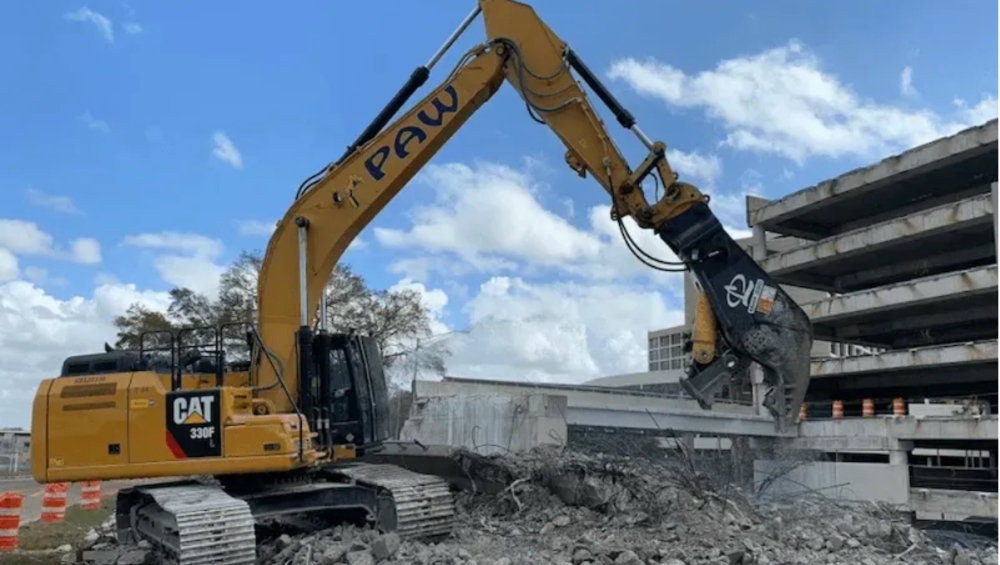
High-reach excavators with hydraulic shears or breakers to safely dismantle tall structures
-
Dust suppression systems that reduce air pollutants at the source
-
Monitoring equipment to detect environmental hazards or vibrations
-
Wearable safety gear with alert systems for team communication
These tools are not just for efficiency — they improve real-time visibility into hazards and reduce reliance on manual labor in high-risk zones.
Paw Demolition and other firms offering Clearwater-based services often deploy this type of equipment when handling aging infrastructure or factory teardown projects.
Hazardous Materials and Environmental Safety
Old industrial buildings often contain harmful materials like lead paint, asbestos insulation, or chemical residue. This makes environmental safety just as critical as physical safety.
Professional demolition companies should:
-
Conduct a pre-demolition hazardous materials survey
-
Contain and isolate areas using negative air pressure systems
-
Use appropriate PPE and follow regulated procedures for removal
-
Properly label and transport hazardous materials for disposal
-
Coordinate with environmental agencies to ensure full compliance
Paw Demolition’s residential services often include light hazmat remediation, and more intensive removal is typically managed during commercial or industrial teardowns.
Tip: Ask to see proof of disposal from a licensed facility — it’s a key part of demonstrating compliance.
Securing the Site and Protecting the Public
Demolition isn’t just about what happens inside the work zone — it’s also about protecting everyone nearby. Public safety starts with how well a site is secured:
-
Fencing with clear signage
-
Gates or access points monitored by trained personnel
-
Traffic control (when necessary) to reroute or slow nearby vehicles
-
Noise and dust mitigation strategies
-
Coordination with local emergency services in case of incidents
In busy neighborhoods like Hudson, Paw Demolition’s bridge and highway demolition services often involve proactive outreach to local authorities to avoid surprises or disruptions.
Tip: Look for a demolition firm that has experience working in both commercial and residential zones — they’ll have better systems for public safety.
Compliance Documentation and Transparency
Keeping records is more than a formality — it’s a safeguard for everyone involved. Proper documentation protects your investment and can help resolve issues quickly if questions arise. Look for companies that maintain:
-
Jobsite safety plans and risk assessments
-
Training and certification logs for crew members
-
Incident and inspection reports
-
Equipment maintenance and service records
-
Permits, clearances, and environmental approvals
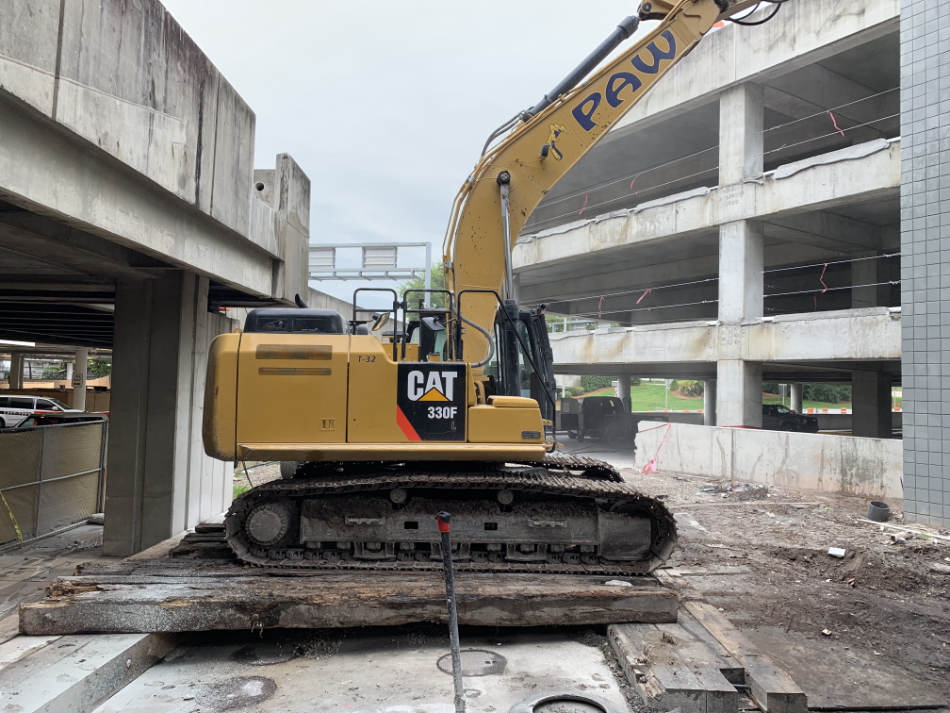
Safe, efficient teardown services backed by 30+ years of local experience.
Frequently Asked Questions
What safety equipment is required on-site?
Hard hats, gloves, safety goggles, steel-toed boots, and respiratory protection are required. Fall protection harnesses are essential when working at heights.
How often are safety inspections done?
Typically once daily before work begins. Additional inspections may follow major structural changes, equipment moves, or weather events.
How are demolition workers trained for safety?
Through a combination of classroom sessions, hands-on training, refresher courses, and daily safety briefings.
Is demolition in Florida regulated beyond OSHA?
Yes. Florida enforces additional environmental and health safety regulations. This includes rules on asbestos abatement, lead handling, and construction debris disposal.
How is dust managed during demolition?
Water spraying systems, misters, and containment barriers are used to reduce airborne dust, protecting workers and the community.
Conclusion
Industrial demolition in Port Richey comes with inherent risks — but those risks can be minimized through proper planning, modern technology, and a company-wide culture of safety. From OSHA compliance and environmental responsibility to the physical protection of workers and neighbors, a professional demolition team will take every precaution seriously.
If you’re ready to begin a project or want to review your options, the team at Paw Demolition is available to answer questions, provide site evaluations, and offer estimates. Safety, efficiency, and experience — that’s what a trusted demolition company should deliver.