
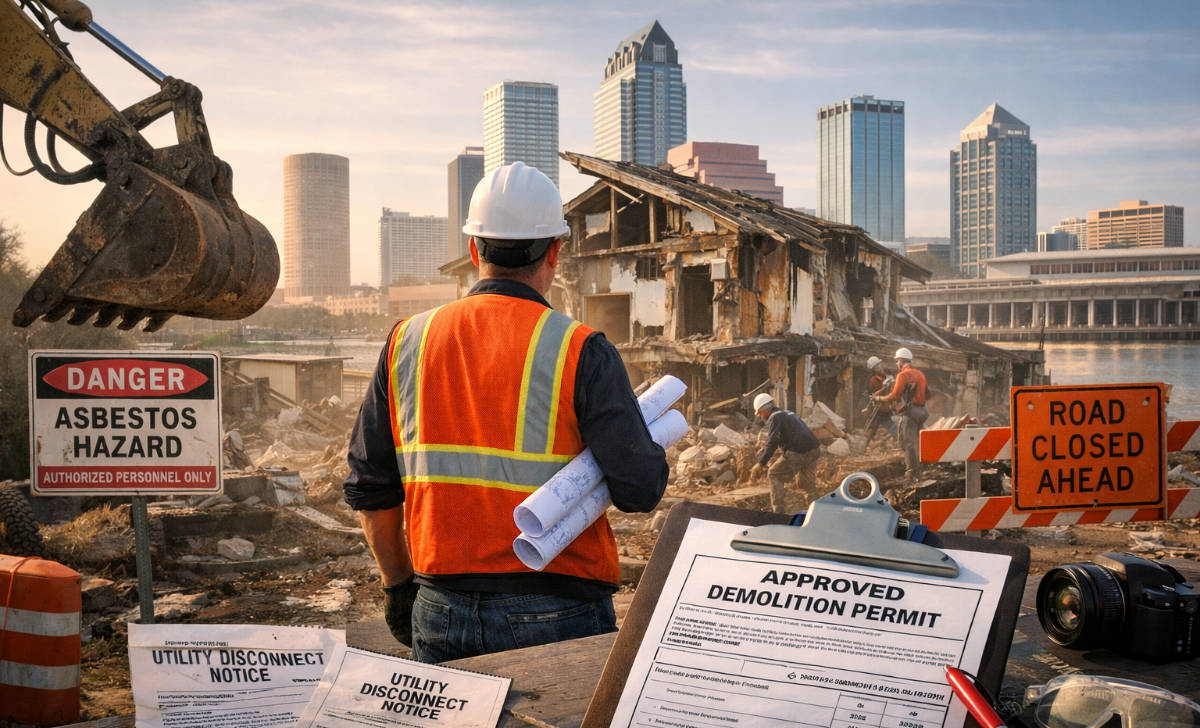
When planning a property demolition in Tampa, preparation is critical. Many delays often caused by insufficient planning can add unexpected costs and extend project timelines significantly. Property owners who overlook essential preparation steps may face costly setbacks, sometimes amounting to tens of thousands in extra expenses.
On the other hand, thorough preparation can reduce demolition timelines by nearly 40%, ensuring a smoother and safer process, whether your property is in South Tampa, Seminole Heights, Ybor City, or Westshore.
Quick Answer: Property demolition preparation typically takes 8-12 weeks and includes securing permits, disconnecting utilities, conducting hazardous material inspections, documenting the property, and notifying neighbors. Following these key steps helps prevent delays and complies with local Tampa regulations, including those specific to neighborhoods like Hyde Park, Downtown Tampa, and Palma Ceia.
Summary Table: Demolition Permit Types and Costs
| Permit Type | Applicable Properties | Estimated Cost (2026) | Notes |
|---|---|---|---|
| Residential Demolition Permit | Single-family homes, duplexes | $250 – $600 | Lower fees; may require basic environmental review |
| Commercial Demolition Permit | Office buildings, retail, multi-unit residences | $800 – $2,500 | Requires detailed site plans and safety assessments |
| Industrial Demolition Permit | Warehouses, factories | $2,000 – $5,000+ | May require environmental impact assessment |
| Historic Property Demolition Permit | Properties in historic districts | $1,000 – $3,000 | Additional reviews and approvals required, especially in districts like Ybor City and Hyde Park |
Who This Is For / Who This Isn’t For
This guide is designed for Tampa property owners, real estate investors, and contractors planning demolition projects who want to avoid costly delays and legal issues.
Whether demolishing residential homes in neighborhoods like Seminole Heights, commercial buildings in Downtown Tampa, or industrial sites in Port Tampa, these preparation tips will help streamline your process and keep your project on schedule.
This information isn’t aimed at those seeking DIY demolition without professional oversight or individuals demolishing small structures exempt from permits. Also, if your project is a simple interior demolition without structural changes, some steps here may not apply.
Understanding the demolition permit process, adhering to building demolition safety standards, and preparing for all legal and environmental requirements are essential for anyone involved in major demolition work in Tampa, including districts such as West Tampa and Davis Islands.
Essential Pre-Demolition Planning Timeline
- Weeks 12-8: Initial Planning and Permits
- Submit building permit applications to Tampa’s municipal offices (e.g., for properties in Channelside, Hyde Park, or Palma Ceia)
- Verify zoning compliance for your property, especially in areas like Ybor City or Downtown Tampa
- Select a qualified demolition contractor familiar with your neighborhood
- Ensure proper bonding and insurance coverage
- Weeks 8-4: Utility and Safety Preparations
- Schedule utility disconnections (electric, gas, water, sewer, communication lines)
- Conduct hazardous material testing (asbestos, lead paint)
- Begin neighbor notification procedures as required by Tampa ordinances, with extra attention in close-knit communities like Seminole Heights or Hyde Park
- Ongoing:
- Allow buffer time for unexpected delays (permit processing, inspections)
- Monitor seasonal weather patterns in Tampa for 2026 (heavy rains, hurricane season), which can impact neighborhoods like Bayshore Beautiful or Ballast Point
Securing Required Permits and Legal Compliance
In 2026, Tampa has updated building codes that affect demolition permits, emphasizing environmental safety and structural assessments. Understanding whether your project requires municipal or county permits is essential, as requirements can vary based on property location.
For example, properties in historic districts like Ybor City or Hyde Park face additional scrutiny and approval steps.
Environmental impact assessments may be required to evaluate potential effects on surrounding areas, especially in environmentally sensitive neighborhoods such as Davis Islands or Port Tampa.
If your property is in a historic district, additional restrictions and approval processes apply to preserve local heritage.
Permit costs vary depending on the size and type of property being demolished. Residential demolitions in neighborhoods like Carrollwood or Westshore typically have lower fees than commercial or industrial sites in Downtown Tampa or the Channel District. Budget accordingly to avoid last-minute financial surprises.
Common Permit Application Mistakes
- Incomplete documentation: Submitting applications without all required paperwork can delay approvals.
- Incorrect property surveys or site plans: Errors here slow down municipal review processes.
- Missing environmental clearances: Failing to include necessary assessments risks permit denial.
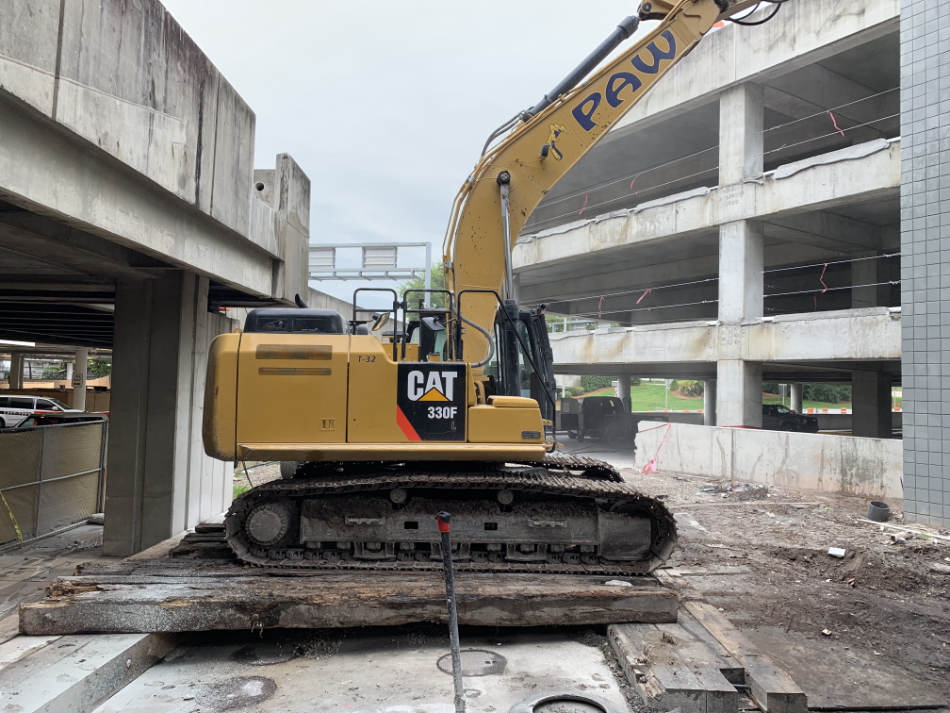
Safe, efficient teardown services backed by 30+ years of local experience.
Safe Utility Disconnection Procedures
Properly disconnecting all utilities before demolition is vital for safety and compliance. Electrical services must be disconnected by licensed electricians to prevent shock hazards. Gas lines require capping and inspection by certified professionals to avoid leaks or explosions.
Water and sewer lines need to be safely terminated following Tampa’s utility provider protocols. Don’t overlook internet, cable, and phone line removals, which also require coordination with respective companies.
This is especially important in densely populated districts like West Tampa or Downtown Tampa.
Before demolition starts, underground utilities must be marked and verified to prevent accidental damage, particularly in older neighborhoods such as Seminole Heights or Hyde Park where utility layouts may be complex.
Utility Company Notification Requirements
- Provide required notice periods—often 7-14 days—before disconnection for each utility.
- Submit necessary documentation to confirm permanent disconnection.
- Plan for reconnection if new construction will follow demolition.
Emergency Shut-off Procedures
- Locate and understand operation of all main utility shut-offs on the property.
- Keep emergency contact information for utility providers accessible on-site.
- Consider backup power options during transition phases to maintain safety systems.
Hazardous Material Identification and Removal
For properties built before 1980, asbestos testing requirements are mandatory in Tampa to identify potential health hazards. Lead paint inspections are equally important, with proper abatement protocols to follow if detected. This is particularly relevant for historic homes in neighborhoods like Ybor City, Hyde Park, and Seminole Heights.
Mold inspection and remediation may be necessary, especially in humid climates like Tampa’s. Underground storage tanks should be detected and removed safely if present, which is sometimes an issue in older industrial areas such as Port Tampa or Westshore.
Follow the 2026 EPA regulations for hazardous material disposal to ensure compliance and environmental safety.
Professional Testing vs. DIY Identification
- Professional testing is legally required for asbestos and lead in many cases.
- Certified laboratories analyze samples for accurate results.
- While DIY kits exist, professional testing minimizes legal risks and ensures accuracy.
Safe Removal and Disposal Methods
- Licensed contractors must perform hazardous material removal.
- Proper containment during removal prevents contamination.
- Dispose of hazardous waste only at certified facilities approved by Tampa authorities.
Site Security and Neighbor Relations
Securing the demolition site protects the public and complies with Tampa’s construction site safety requirements. Temporary fencing should be installed around the perimeter with proper height and signage, especially in busy districts like Downtown Tampa or Ybor City.
Security lighting and surveillance cameras help deter trespassing and vandalism. Maintain open communication with neighbors to foster goodwill and address concerns proactively, which is particularly important in tight-knit communities like Seminole Heights, Hyde Park, and Palma Ceia.
Mitigate dust and noise using water sprays and noise barriers. Plan access routes to minimize disruption to surrounding streets and properties, especially in congested areas such as Channelside or Westshore.
Communication Timeline with Neighbors
- Send initial notification at least 30 days before demolition starts.
- Provide weekly updates during preparation to keep neighbors informed.
- Distribute emergency contact information for immediate concerns.
Property Documentation and Insurance Considerations
Document the property’s condition thoroughly with photos and videos before demolition begins. This helps in insurance claims and protects against disputes, especially for properties in historic districts such as Ybor City or Hyde Park where preservation concerns may arise.
Obtaining a professional appraisal can assist in determining salvage value and insurance coverage needs. Identify materials that can be salvaged to reduce waste and recover costs.
Liability insurance for demolition work is essential to protect against accidents and damages. Be aware of potential property tax implications related to demolition and redevelopment, which can vary by district within Tampa.
Digital Documentation Best Practices
- Use high-resolution photography to capture all angles and details.
- Record video walkthroughs to provide context to static images.
- Store documentation securely in cloud storage and maintain backups.
Common Preparation Mistakes That Cause Delays
Many Tampa property owners face costly delays due to missed steps in preparation. For example, failing to secure the correct permits led one commercial project in the Channel District to pause for weeks, increasing expenses significantly.
Another common issue is inadequate hazardous material testing, which can halt demolition until proper remediation is completed. Late utility disconnections also cause schedule setbacks, especially in older neighborhoods like Seminole Heights.
Prevent these issues by following a detailed demolition planning checklist, maintaining clear communication with contractors, and having emergency response procedures in place to quickly address problems.
Frequently Asked Questions About Demolition Preparation
How long does property demolition preparation typically take?
Preparation generally spans 8-12 weeks to cover permits, inspections, and utility disconnections. Complex properties may require 16 weeks or more. Weather and permit office backlogs can also extend timelines, particularly in high-demand neighborhoods like Downtown Tampa or Westshore.
Do I need special insurance for demolition preparation?
Liability insurance is usually required and should cover contractor activities as well as potential damage to neighboring properties. Consult your insurance agent to adjust policies temporarily for demolition projects in your specific Tampa district.
What happens if hazardous materials are discovered during preparation?
Demolition work must stop until licensed contractors complete remediation. Additional permits and inspections are often necessary, which can affect budgets and schedules, especially in historic neighborhoods like Ybor City or Hyde Park.
Can I do utility disconnections myself to save money?
Electrical and gas disconnections must be performed by licensed professionals for safety and legal reasons. Water disconnection may be allowed as a DIY task in some cases, but improper handling can cause serious hazards.
How far in advance should I notify neighbors about demolition?
Most jurisdictions, including Tampa, require at least 30 days’ notice. Early notification builds goodwill and provides time to address concerns. Some areas, such as Palma Ceia or Davis Islands, mandate certified mail or posted notices.
What documentation do I need to keep during preparation?
Keep all permits, inspection reports, utility disconnection confirmations, hazardous material testing results, disposal certificates, and property photos or videos to ensure full compliance and record-keeping.
What This Means For You
Proper property demolition preparation prevents the majority of common issues that cause delays and unexpected costs. Investing time and resources upfront saves significant money and stress throughout the project. For complex demolitions in Tampa whether in South Tampa, Ybor City, Westshore, or Seminole Heights, professional advice is highly recommended to ensure all pre-demolition requirements are met.
Start planning at least 3-4 months before your desired demolition date to keep your project on track and compliant with local regulations.